
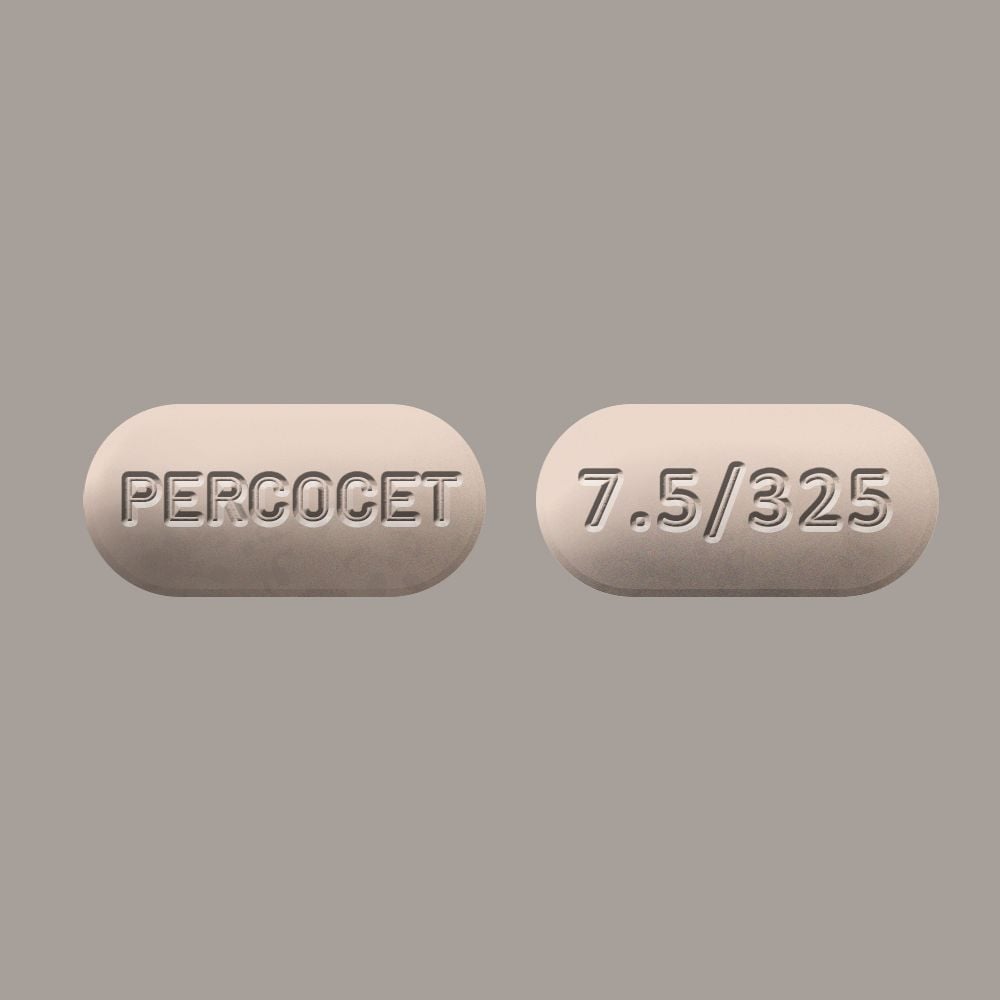
Percocet 7.5/325mg: Pain Management and Safety Information
Percocet 7.5/325mg is a prescription combination medication containing oxycodone hydrochloride and acetaminophen. Oxycodone is an opioid analgesic that changes how the brain and nervous system respond to pain, while acetaminophen provides additional pain-relieving effects. This formulation may be prescribed for certain types of pain when an opioid is medically appropriate. Because it carries significant safety risks, treatment requires individualized assessment and professional supervision.
What Is Percocet 7.5/325mg?
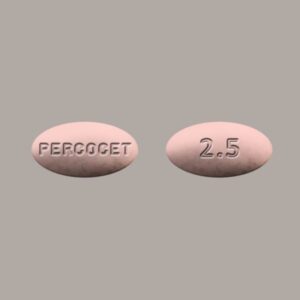
Each tablet contains 7.5mg of oxycodone hydrochloride and 325mg of acetaminophen. Oxycodone acts on opioid receptors involved in pain signaling, whereas acetaminophen helps relieve pain through different mechanisms. The combination is intended to provide pain relief when a healthcare professional determines that both ingredients are appropriate.
This is an immediate-release formulation, not an extended-release product. Its suitability depends on the cause and severity of pain, previous treatment, medical history, and individual risk factors. The strength should not be selected or adjusted without guidance from the prescribing professional.
How the Combination Works
Oxycodone helps reduce the perception of pain by acting on the central nervous system. Acetaminophen complements this effect and can contribute to overall pain relief. The two ingredients have different safety considerations, making it important to understand the medication’s composition.
Patients should follow the instructions on their prescription label and avoid changing the dose independently. Other pain medicines may contain acetaminophen or an opioid, so the full medication list should be reviewed by a pharmacist or prescriber before combining treatments.
Potential Side Effects
Percocet can cause side effects that vary among individuals. Commonly reported reactions include:
- Nausea or vomiting
- Constipation
- Drowsiness or dizziness
- Lightheadedness
- Itching or sweating
- Dry mouth
Patients should discuss persistent or troublesome symptoms with their healthcare professional. Avoid driving or operating machinery if the medication causes drowsiness or impaired alertness.
Slow or shallow breathing, extreme sleepiness, or difficulty waking someone may indicate an opioid overdose. Call 911 immediately if these symptoms occur. Administer naloxone if available and follow emergency dispatcher instructions.
Important Warnings and Precautions
Percocet carries serious risks associated with opioid medications, including addiction, misuse, overdose, and potentially fatal respiratory depression. Combining it with alcohol, benzodiazepines, sleeping medicines, or other central nervous system depressants can increase the risk of profound sedation and breathing difficulties.
Acetaminophen presents an additional concern because excessive intake can cause severe liver damage. Patients should check other medicines for acetaminophen, sometimes labeled APAP, and consult a healthcare professional about their total daily intake. Do not assume that combining multiple pain or cold remedies is safe.
People with breathing disorders, liver disease, kidney problems, or a history of substance-use concerns should discuss these conditions with their prescriber before treatment. Patients should also disclose all prescription medicines, nonprescription products, and supplements they use.
Responsible Use and Storage
Use Percocet only when it has been prescribed specifically for you, and follow the prescription instructions. Never share tablets, take someone else’s medication, or increase the prescribed amount without medical guidance. Store the medication securely away from children and other people who might accidentally or intentionally ingest it.
Regular medical reviews help assess pain relief, side effects, and whether opioid treatment remains necessary. Patients using opioids regularly should consult their prescriber before stopping suddenly. Ask a healthcare professional whether naloxone is appropriate and how to recognize an overdose.
Conclusion
Percocet 7.5/325mg combines an opioid pain reliever with acetaminophen for selected pain-management situations. Its potential benefits must be weighed against respiratory depression, addiction, dangerous interactions, overdose, and liver injury. Careful prescribing, accurate medication records, secure storage, and appropriate follow-up are essential. Consult a qualified healthcare professional for individualized advice and refer to the official prescribing information for complete safety details.
Reviews
There are no reviews yet.