
Percocet 10/325mg: Ingredients, Medical Uses and Safety
What Is Percocet 10/325mg?
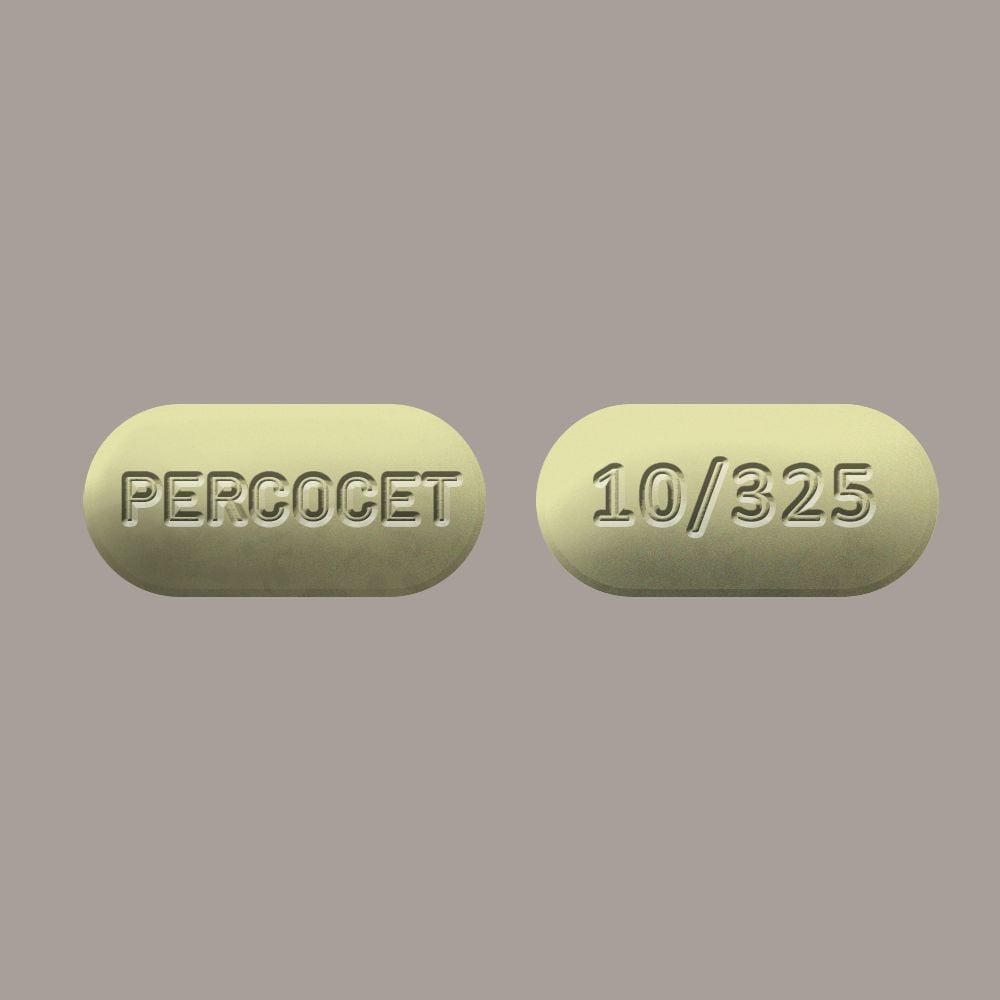
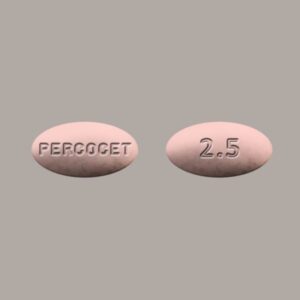
Percocet 10/325mg is a prescription combination medication containing 10 milligrams of oxycodone hydrochloride and 325 milligrams of acetaminophen per tablet. Oxycodone is an opioid analgesic that acts on the central nervous system, while acetaminophen is a non-opioid pain reliever. Together, these ingredients provide pain relief through different mechanisms.
Healthcare professionals may prescribe this formulation when they determine that opioid treatment is appropriate for a patient’s pain. Because oxycodone can cause serious adverse effects, treatment requires careful assessment, appropriate prescribing, and ongoing monitoring.
Understanding the Active Ingredients
Oxycodone hydrochloride is the opioid component of Percocet. It changes how the brain and nervous system respond to pain. However, it can also cause sedation, slowed breathing, physical dependence, and addiction. The risk of serious harm increases when the medication is taken incorrectly or combined with certain other substances.
Acetaminophen contributes additional pain-relieving effects. Excessive exposure can damage the liver, sometimes causing life-threatening complications. Patients should check the ingredients of all medicines they take, including cold remedies and other pain relievers, to avoid accidentally taking multiple acetaminophen-containing products.
Medical Uses and Treatment Considerations
Percocet may be prescribed for pain when a healthcare professional determines that the expected benefits outweigh the potential risks. Whether an opioid is appropriate depends on the nature and severity of the pain, the patient’s medical history, previous treatments, and individual risk factors.
The 10/325mg designation identifies the amount of each active ingredient per tablet; it does not mean this strength is suitable for everyone. A prescriber must determine the appropriate treatment plan based on the patient’s circumstances and current prescribing guidance.
Patients should follow the instructions on their own prescription and should not increase the amount taken, change the dosing schedule, or switch to another opioid independently. A pharmacist or prescriber can clarify questions about formulation differences and medication instructions.
Possible Side Effects
Common side effects associated with oxycodone and acetaminophen combinations include nausea, vomiting, constipation, dizziness, and drowsiness. These effects may interfere with activities requiring alertness, including driving.
More serious risks include respiratory depression, severe sedation, low blood pressure, overdose, and opioid use disorder. Alcohol, benzodiazepines, sleeping medicines, and other central nervous system depressants can intensify sedation and breathing difficulties. Combining these substances may result in coma or death.
Seek emergency assistance if someone is difficult to awaken, has slow or shallow breathing, or becomes unresponsive. Naloxone can reverse an opioid overdose temporarily when administered appropriately, but emergency medical care is still necessary.
Important Warnings and Drug Interactions
Percocet contains an opioid and carries significant warnings concerning addiction, abuse, misuse, and potentially fatal respiratory depression. It should only be used by the person for whom it was prescribed and according to professional instructions.
Tell your healthcare professional about all medicines, supplements, alcohol use, breathing problems, liver conditions, and other relevant medical history. Other medications can alter oxycodone’s effects or increase the risk of adverse reactions. Do not stop or change other prescribed treatments without professional guidance.
Acetaminophen-related liver injury is another important concern. Avoid combining products containing acetaminophen unless a healthcare professional has confirmed that the total amount is appropriate. Suspected overdose requires urgent medical evaluation, even if symptoms are not immediately apparent.
Storage and Responsible Medication Handling
Keep Percocet in its original labeled container and store it securely away from children and anyone for whom it was not prescribed. Never share opioid medication. Follow official instructions for disposing of unused tablets, and ask a pharmacist about appropriate disposal options.
Patients receiving ongoing treatment should attend follow-up appointments so their healthcare professional can assess pain control, side effects, and signs of dependence or misuse. Questions about alternatives or changes in treatment should be discussed with the prescriber.
Conclusion
Percocet 10/325mg combines oxycodone hydrochloride and acetaminophen in a prescription pain medication with important benefits and serious risks. Understanding its ingredients, potential adverse effects, medication interactions, and overdose precautions supports informed discussions with healthcare professionals. Use only under appropriate medical supervision. This information is educational and does not replace individualized medical advice.
Reviews
There are no reviews yet.