
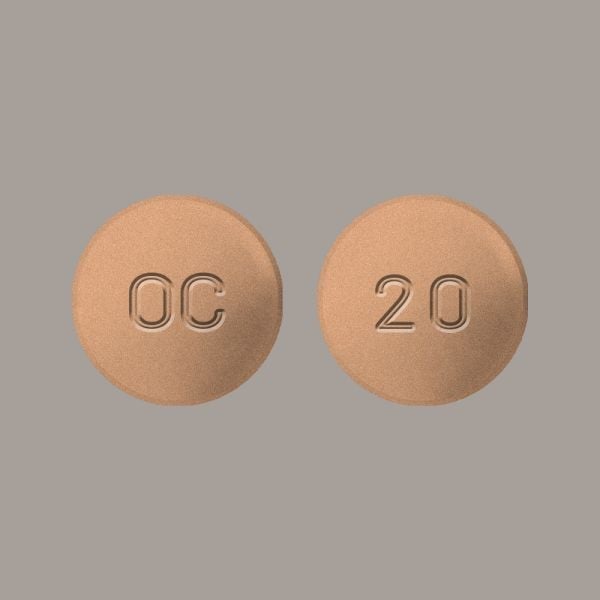
OxyContin OC 20mg: Historical Formulation and Safety Information
OxyContin OC 20mg refers to the original formulation of extended-release oxycodone hydrochloride, an opioid analgesic historically prescribed for severe, persistent pain requiring continuous, around-the-clock treatment. The original tablet was designed to release oxycodone gradually over time. It is important to distinguish this historical formulation from the reformulated OxyContin product described in current U.S. prescribing information.
What Was OxyContin OC 20mg?
OxyContin is a brand name for extended-release oxycodone hydrochloride. The original OC 20mg tablet contained 20mg of oxycodone hydrochloride and was intended for oral administration according to a prescription.
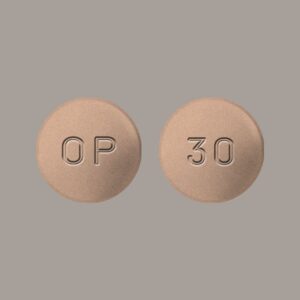
The “OC” designation was associated with the original tablet design and imprint. This formulation was replaced in 2010 after the manufacturer introduced a reformulated tablet intended to make certain forms of manipulation more difficult. In 2013, the U.S. Food and Drug Administration determined that the original formulation had been withdrawn for reasons of safety or effectiveness, citing its greater potential for abuse by certain routes compared with the reformulated version.
For this reason, OxyContin OC 20mg is best described as a historical formulation. It should not be presented as interchangeable with currently labeled OxyContin 20mg or assumed to be a currently marketed U.S. product.
Understanding Extended-Release Oxycodone
Oxycodone is an opioid analgesic that acts on receptors in the central nervous system to change how the body perceives pain. Extended-release tablets are designed to deliver medication over a prolonged period rather than releasing the entire amount immediately.
Historically, OxyContin was prescribed for selected patients with severe, persistent pain requiring an extended period of opioid treatment when alternative options were inadequate. Extended-release opioids require careful patient assessment and monitoring because they can cause serious adverse effects, including respiratory depression, overdose, and addiction.
The historical OC formulation and the reformulated product have different physical characteristics. A tablet’s name, appearance, or imprint alone cannot establish its identity, authenticity, or safety.
Why Was the Original Formulation Replaced?
The original OxyContin formulation was associated with misuse involving manipulation of the tablet to release oxycodone more rapidly than intended. The manufacturer introduced a reformulated version in 2010, incorporating properties designed to make crushing, breaking, and dissolving the tablet more difficult.
The FDA later determined that the original formulation had a greater potential for abuse through certain routes than the reformulated version. The agency concluded that the benefits of the original formulation no longer outweighed its risks.
The reformulated product has abuse-deterrent characteristics, but these do not eliminate the possibility of misuse, addiction, overdose, or death. Both historical and current oxycodone products remain potent opioid medications requiring strict prescription controls.
Possible Side Effects and Health Risks
Oxycodone can cause side effects that vary between individuals. Commonly reported effects include:
- Constipation
- Nausea or vomiting
- Drowsiness and dizziness
- Lightheadedness
- Itching or sweating
- Impaired alertness
Serious risks include respiratory depression, physical dependence, opioid use disorder, overdose, and death. Combining oxycodone with alcohol, benzodiazepines, sleeping medicines, or other central nervous system depressants can increase the risk of profound sedation and dangerously slowed breathing.
Slow or shallow breathing, extreme sleepiness, or difficulty waking someone may indicate an opioid overdose. Call 911 immediately and administer naloxone if available.
Medication Safety and Storage
OxyContin is a prescription opioid classified as a Schedule II controlled substance in the United States. Historical tablets should not be taken or used as substitutes for a current prescription. Anyone reviewing an old medication record or tablet should consult a pharmacist for appropriate identification and disposal guidance.
Current extended-release OxyContin tablets must be used exactly as directed. They must not be crushed, chewed, broken, or dissolved, because disrupting the tablet can release oxycodone too quickly and increase the risk of a potentially fatal overdose.
Keep opioid medication secured away from children and others who might accidentally or intentionally ingest it. Follow official disposal instructions for unused medication and seek professional advice before making any changes to prescribed opioid treatment.
Conclusion
OxyContin OC 20mg identifies a historical formulation of extended-release oxycodone that was replaced by a reformulated product in 2010. Distinguishing the original OC tablet from current OxyContin labeling helps prevent confusion in historical product documentation and medication records. Oxycodone remains associated with serious risks, including respiratory depression, overdose, dependence, and addiction. Consult a qualified healthcare professional or pharmacist for current medication information and individualized safety guidance.
Reviews
There are no reviews yet.