
OxyContin OP 30mg: Extended-Release Medication Overview
OxyContin OP 30mg is a prescription medication containing oxycodone hydrochloride, an opioid analgesic designed for extended release. It may be prescribed for selected patients experiencing severe, persistent pain when other treatment options are inadequate. Because this medication can cause serious adverse effects, its use requires careful medical assessment, individualized prescribing, and ongoing professional supervision.
Understanding OxyContin OP 30mg
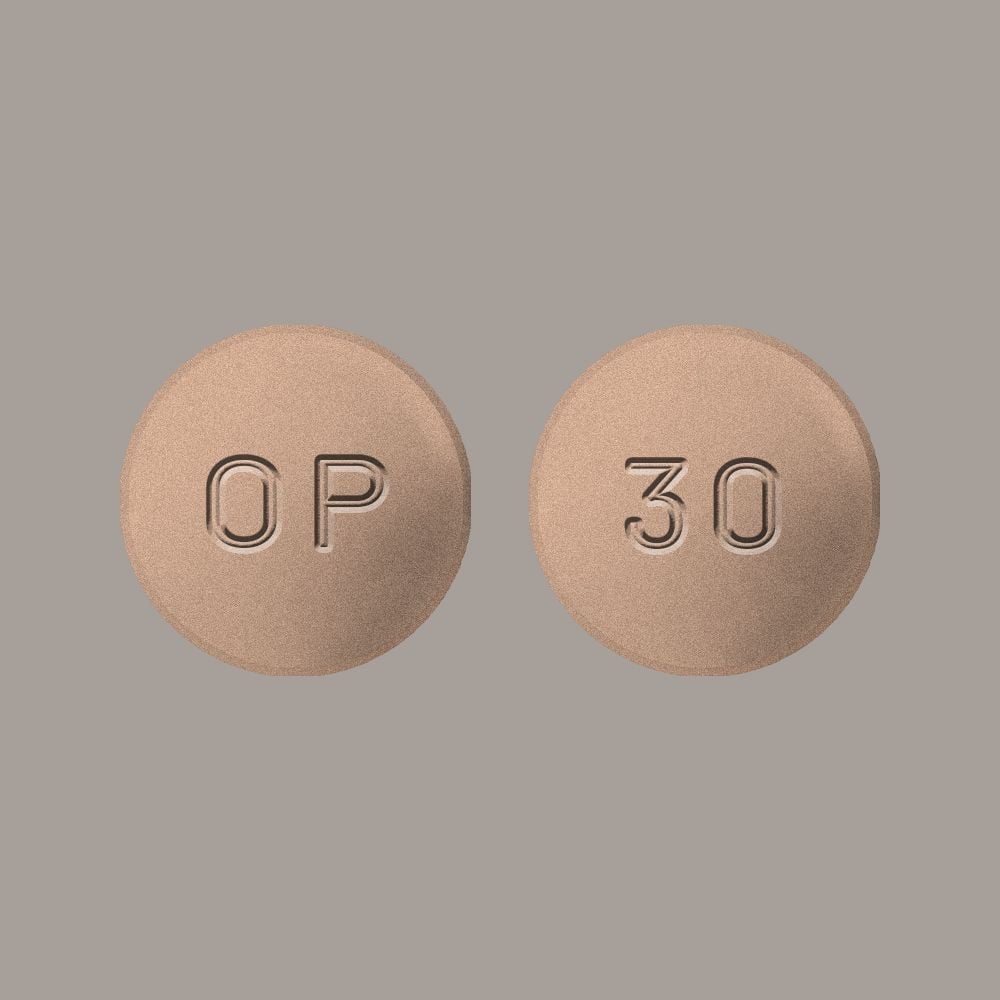
OxyContin is a brand-name extended-release formulation of oxycodone. The 30mg strength indicates the amount of oxycodone hydrochloride in each tablet. Current U.S. prescribing information describes the OP 30mg tablet as round, brown, and film-coated, with “OP” on one side and “30” on the other. These details describe the labeled product but cannot establish the identity or authenticity of an individual tablet.
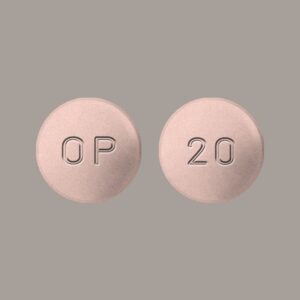
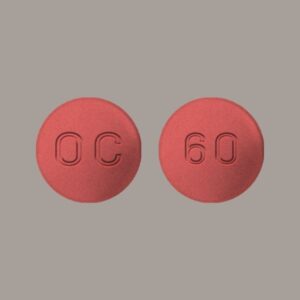
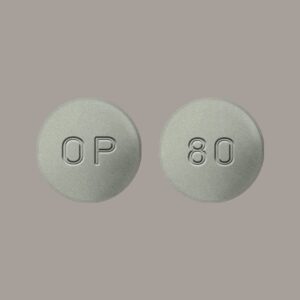
The OP imprint is associated with the reformulated version of OxyContin, which differs from the original formulation marked OC. Medication formulations should not be assumed interchangeable simply because their names or strengths are similar. A pharmacist can help verify the medication and explain differences between products.
Medical Uses and Treatment Decisions
Extended-release oxycodone may be considered for severe, persistent pain that requires opioid treatment when alternative options do not provide adequate relief or are unsuitable. A healthcare professional evaluates the underlying condition, previous treatments, other medications, and individual risk factors before determining whether an opioid is appropriate.
The 30mg strength is not suitable for every patient and should never be interpreted as a recommended starting dose. Opioid tolerance, medical history, and previous treatment all influence prescribing decisions. Patients should not independently change their dose, alter the dosing interval, or substitute another opioid product. Any treatment adjustment must be directed by the prescribing clinician.
How Extended-Release Oxycodone Works
OxyContin is designed to release oxycodone gradually over an extended period. This formulation differs from immediate-release pain medicines and is intended to be used according to the prescribed schedule.
Extended-release tablets must be administered exactly as directed by the official medication guide. Crushing, chewing, breaking, or dissolving a tablet can interfere with its release mechanism and deliver oxycodone too quickly, potentially causing a fatal overdose. Never alter the tablet to change its effect.
Alcohol and medicines that cause sedation can increase the danger of severe drowsiness and breathing difficulties. Tell the prescriber and pharmacist about all medicines, supplements, and substances being used, especially benzodiazepines, sleeping medications, sedatives, and other opioids.
Possible Side Effects and Serious Warnings
Common side effects of oxycodone may include constipation, nausea, vomiting, dizziness, headache, and drowsiness. These effects can interfere with concentration, coordination, and daily activities. Patients should avoid driving or operating machinery if their alertness or abilities are impaired.
More serious complications include respiratory depression, low blood pressure, physical dependence, addiction, and potentially fatal overdose. Risks may increase when treatment begins, when doses change, or when oxycodone is combined with alcohol or other central nervous system depressants.
Emergency medical assistance is necessary if someone becomes difficult to awaken, has slow or shallow breathing, or develops blue or gray lips. Naloxone can temporarily reverse an opioid overdose when available, but emergency care remains essential.
Safe Storage and Responsible Handling
Store prescribed medication according to the official instructions and keep it securely away from children, visitors, and anyone for whom it was not prescribed. Never share opioid medication with another person. Accidental ingestion can be especially dangerous for children.
Unused medication should be handled through an authorized medication take-back program or according to local disposal guidance. Patients should consult their pharmacist about safe disposal rather than keeping leftover tablets for possible future use.
Conclusion
OxyContin OP 30mg is an extended-release oxycodone product used in carefully selected cases of severe, persistent pain. Its long-acting formulation and opioid-related risks make correct administration and professional oversight essential. Patients should follow their prescription, discuss possible interactions with their healthcare team, and promptly report concerning symptoms. This overview provides general educational information and does not replace individualized medical advice or the official prescribing information.
Reviews
There are no reviews yet.