
Phentermine 30mg: Uses, Ingredients and Safety Information
What Is Phentermine 30mg?
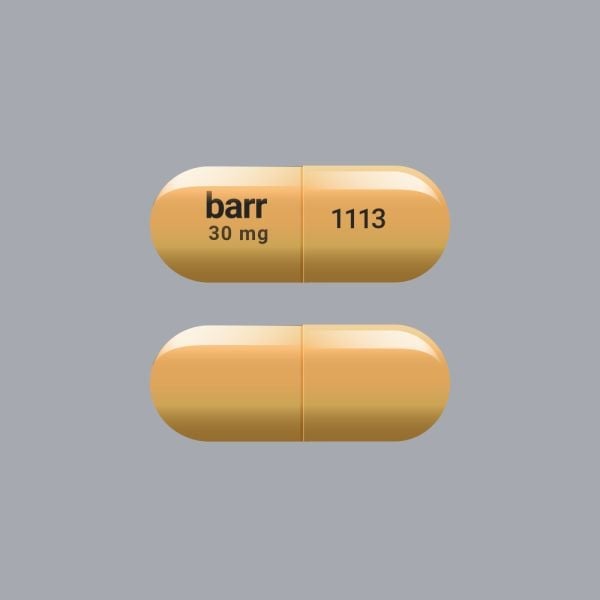
Phentermine 30mg is a prescription medication containing 30 milligrams of phentermine hydrochloride per capsule or tablet, depending on the specific formulation. It belongs to a class of medicines known as sympathomimetic amines and acts as an appetite suppressant. Healthcare professionals may prescribe phentermine for short-term weight management in eligible adults when the potential benefits outweigh the associated risks.
The 30mg strength identifies the quantity of phentermine hydrochloride in the product. It does not establish the appropriate dose for every individual. Treatment decisions depend on medical history, current health, other medications, and the prescribing professional’s assessment.
Medical Uses and Weight-Management Goals
Phentermine is indicated as a short-term addition to a comprehensive weight-reduction plan for certain patients with obesity. Depending on the applicable product labeling, eligibility generally includes adults with an initial body mass index (BMI) of at least 30, or at least 27 when certain weight-related risk factors are present.
Medication is not intended to replace healthy eating habits, regular physical activity, or behavioral changes. Instead, it may be used alongside these measures when a healthcare professional determines that prescription treatment is appropriate. Individual results vary, and treatment requires periodic evaluation to determine whether the benefits continue to justify the risks.
Phentermine is not suitable for everyone. A clinician should assess relevant medical conditions and review the patient’s current medicines before prescribing it. Patients should not use another person’s medication or change their prescribed regimen without professional guidance.
How Phentermine Works
Phentermine acts on the central nervous system and influences signaling associated with appetite. Its effects may help some eligible patients experience reduced hunger while following a structured weight-management plan.
The response differs between individuals, and appetite changes do not guarantee a particular amount of weight loss. Treatment outcomes can depend on dietary habits, activity levels, underlying health conditions, and other individual factors.
Phentermine is generally intended for short-term use under current U.S. prescribing information. It should not be considered a stand-alone solution for long-term weight management. A healthcare professional can discuss other approaches when continued weight-management support is needed.
Possible Side Effects
Phentermine may cause dry mouth, constipation, unpleasant taste, difficulty sleeping, nervousness, restlessness, or dizziness. Some patients may also experience palpitations, a faster heartbeat, or increased blood pressure.
Because phentermine has stimulant effects, cardiovascular health is an important consideration. People with a history of heart disease, stroke, abnormal heart rhythms, congestive heart failure, or uncontrolled high blood pressure should not use it under standard U.S. prescribing contraindications.
Seek urgent medical assessment for chest pain, fainting, unexplained shortness of breath, or swelling in the legs. New or worsening breathing difficulties can indicate a serious complication and should not be ignored. Report persistent side effects or changes in mood, sleep, or heart rate to the prescribing professional.
Important Warnings and Drug Interactions
Phentermine is classified as a Schedule IV controlled substance in the United States because it has potential for misuse and dependence. It should only be used by the person named on the prescription and stored securely away from children and other individuals.
Phentermine is contraindicated during pregnancy and nursing under standard prescribing information. It is also contraindicated for people with certain conditions, including hyperthyroidism, glaucoma, agitated states, and a history of drug abuse. It must not be taken during treatment with monoamine oxidase inhibitors (MAOIs) or within 14 days after stopping them because of the risk of a dangerous blood-pressure increase.
Tell your healthcare professional about all prescription medicines, over-the-counter products, and supplements you use. Combining phentermine with other weight-loss medications is generally not recommended unless a qualified clinician specifically evaluates the treatment plan.
Responsible Use and Storage
Follow the exact instructions provided with the prescription and current product labeling. Do not increase the amount taken, extend treatment independently, or combine the medication with other stimulants without medical guidance. Store the product in its labeled container in a secure location, and follow local recommendations for disposing of unused medication.
Conclusion
Phentermine 30mg is a prescription medication that may support short-term weight management for selected patients when combined with dietary, activity, and behavioral measures. Understanding its intended use, potential side effects, cardiovascular risks, and interaction warnings is essential. A licensed healthcare professional can determine whether treatment is appropriate and monitor its safety. This information is educational and does not replace individualized medical advice.
Reviews
There are no reviews yet.