

OxyContin OP 60mg: Extended-Release Oxycodone Information
OxyContin OP 60mg is a prescription medication containing oxycodone hydrochloride, an opioid analgesic formulated to release its active ingredient over an extended period. It may be prescribed for carefully selected patients with severe, persistent pain when continuous opioid treatment is medically appropriate. Because this strength carries substantial risks, treatment requires an individualized assessment, careful monitoring, and strict adherence to the official prescribing information.
Understanding OxyContin OP 60mg
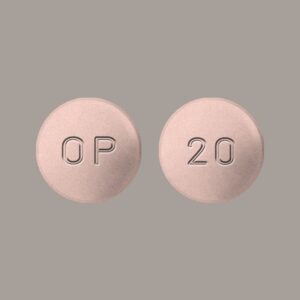
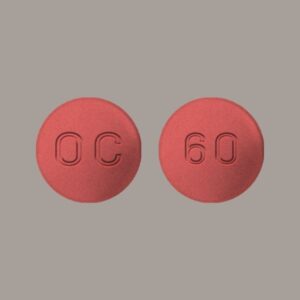
OxyContin is a brand-name extended-release formulation of oxycodone. The 60mg strength identifies the amount of oxycodone hydrochloride in each tablet. Current U.S. prescribing information describes the OP 60mg tablet as round, red, and film-coated, with “OP” imprinted on one side and “60” on the other. These details describe the labeled product but cannot independently verify a tablet’s identity or authenticity.
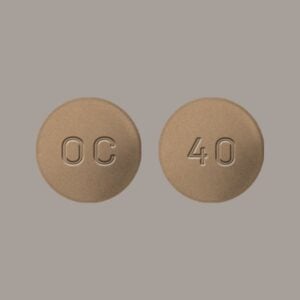
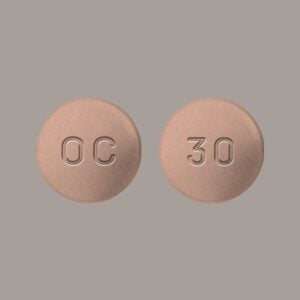
The OP imprint is associated with the reformulated version of OxyContin, which differs from the original formulation marked OC. Different formulations should not be assumed interchangeable. Patients who have questions about a tablet’s appearance or identity should consult a pharmacist rather than relying on visual identification alone.
Medical Use and Opioid Tolerance
Extended-release oxycodone may be prescribed for severe, persistent pain when opioid treatment is necessary and alternative options are inadequate or unsuitable. The 60mg strength is intended only for patients who have established tolerance to opioids of comparable potency, as defined in the official prescribing information. It is not appropriate for opioid-naive patients or for unsupervised dose changes.
A healthcare professional evaluates the patient’s diagnosis, treatment history, previous opioid exposure, other medications, and individual risk factors before determining whether this medicine is suitable. Patients should never increase their dose, change the prescribed schedule, or switch opioid products without professional direction. Opioid conversion requires particular care because different medicines and formulations do not necessarily produce equivalent effects.
Extended-Release Formulation and Administration
OxyContin releases oxycodone gradually over time and is intended to be used according to the prescribed schedule, rather than as an occasional, as-needed pain reliever. Follow the official medication guide and the instructions supplied by the pharmacist.
Extended-release tablets must not be crushed, chewed, broken, or dissolved. Altering the tablet can cause oxycodone to be released too rapidly, potentially resulting in a fatal overdose. Alcohol and other central nervous system depressants can further increase the risk of sedation and dangerous breathing difficulties. Inform the prescriber about all prescription medicines, over-the-counter products, and supplements being used.
Potential Side Effects and Serious Warnings
Common side effects of oxycodone may include constipation, nausea, vomiting, dizziness, headache, and drowsiness. These effects can interfere with concentration, balance, and coordination. Driving or operating machinery may be unsafe when alertness is impaired.
Serious risks include respiratory depression, dangerously low blood pressure, physical dependence, addiction, and overdose. Risk may increase when treatment begins, when doses change, or when oxycodone is combined with alcohol, sedatives, or other opioids.
Seek emergency assistance if someone is difficult to awaken, has slow or shallow breathing, or develops blue or gray lips. Naloxone may temporarily reverse an opioid overdose when available, but emergency medical care remains essential.
Secure Storage and Medication Safety
Keep prescribed medication securely stored away from children and anyone for whom it was not prescribed. Never share opioid medication. Follow the product’s storage instructions and ask a pharmacist about authorized take-back services or appropriate disposal options for unused tablets.
Conclusion
OxyContin OP 60mg is a high-strength extended-release oxycodone medication reserved for patients who meet specific opioid-tolerance criteria. Its potential benefits must be weighed against significant risks, and its use requires qualified medical supervision. Patients should follow their prescription carefully, avoid unsafe drug combinations, and seek prompt assistance for concerning symptoms. This overview is educational and does not replace professional medical advice or the official medication guide.
Reviews
There are no reviews yet.