
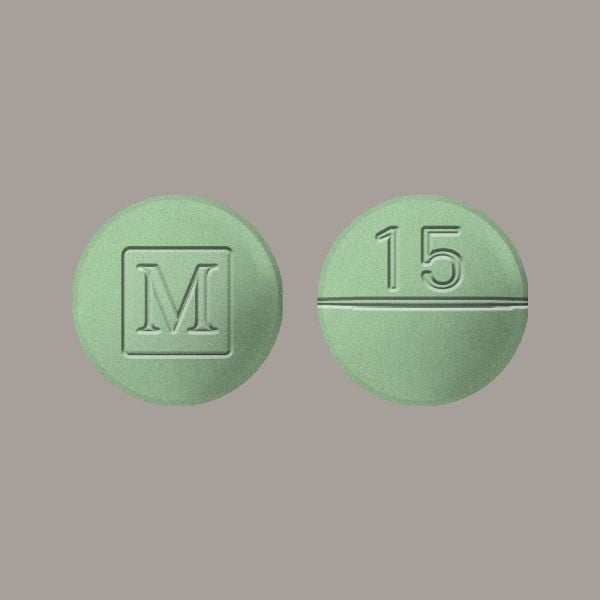
Oxycodone 15mg: Medical Uses, Effects, and Safety Information
Oxycodone 15mg is a prescription medication containing oxycodone hydrochloride, an opioid analgesic used to manage severe pain when alternative treatment options are inadequate. It acts on the central nervous system to change how the body perceives and responds to pain. Because oxycodone carries significant risks, including addiction, misuse, overdose, and potentially fatal breathing problems, its use requires careful medical supervision.
What Is Oxycodone 15mg?
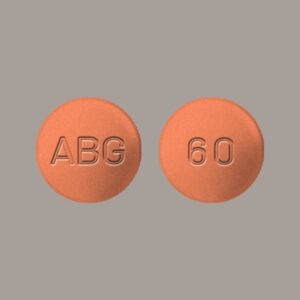
Oxycodone 15mg is an oral tablet strength containing 15 milligrams of oxycodone hydrochloride. Immediate-release oxycodone tablets are used for pain management in selected clinical circumstances. The strength identifies the amount of active ingredient in each tablet; it does not mean that this dose is suitable for every patient.
A healthcare professional considers pain severity, previous opioid exposure, other medications, medical history, and individual risk factors before determining whether oxycodone is appropriate. Patients should never change their prescribed dose without consulting their prescriber.
Medical Uses of Oxycodone
Oxycodone may be prescribed for pain severe enough to require an opioid analgesic when other treatments do not provide adequate relief, are not tolerated, or are otherwise unsuitable. Depending on the clinical situation, treatment may be considered following an injury, surgery, or another condition associated with significant pain.
Opioid treatment is not appropriate for every type of discomfort. Healthcare professionals assess the expected benefits against the potential risks and consider non-opioid alternatives whenever suitable. The duration and type of treatment depend on the underlying condition and the patient’s response.
How Oxycodone Works
Oxycodone binds to opioid receptors in the central nervous system, changing the transmission and perception of pain signals. This action can reduce the sensation of pain, but it can also affect other bodily functions.
Common effects include sleepiness, dizziness, and reduced alertness. More seriously, oxycodone can suppress the brain’s drive to breathe. Respiratory depression may occur even during prescribed treatment, particularly when treatment begins, doses change, or other sedating substances are involved.
Possible Side Effects
Oxycodone can cause constipation, nausea, vomiting, dizziness, drowsiness, and lightheadedness. Some patients may experience itching or sweating. Side effects vary according to individual sensitivity, other medications, and the treatment circumstances.
Serious reactions include slowed or shallow breathing, severe sedation, low blood pressure, and overdose. Difficulty breathing, unusual unresponsiveness, or inability to awaken someone requires immediate emergency assistance. Naloxone can reverse opioid overdose and may be lifesaving when administered promptly while emergency help is obtained.
Important Warnings and Drug Interactions
Oxycodone carries a boxed warning for addiction, abuse, misuse, life-threatening respiratory depression, and overdose. Physical dependence can also develop during treatment. Patients should take the medication only as prescribed and never share it with another person.
Combining oxycodone with alcohol, benzodiazepines, sleeping pills, or other central nervous system depressants can cause profound sedation, respiratory depression, coma, or death. Tell the prescriber about all medicines and supplements being used. People with breathing disorders or other significant health conditions may require additional assessment and monitoring.
Do not stop oxycodone abruptly after regular use without medical guidance, because withdrawal symptoms can occur. A healthcare professional can help plan a gradual reduction when discontinuation is appropriate.
Safe Handling and Storage
Follow the prescription label and all instructions provided by the dispensing pharmacist. Do not take extra tablets, alter the schedule, or use medication prescribed to someone else. Avoid driving or operating machinery if you feel drowsy, dizzy, or impaired.
Store oxycodone securely in its original labeled container and out of reach of children and unauthorized users. Accidental ingestion can be fatal. Dispose of unused medication through an authorized medication take-back program or according to official disposal guidance.
Conclusion
Oxycodone 15mg is an opioid medicine used in selected cases of severe pain when alternative treatments are inadequate. Its potential benefits must be weighed against important risks, including dependence, sedation, respiratory depression, and overdose. A qualified healthcare professional can explain appropriate treatment options and precautions. This information is educational and does not replace individualized medical advice or prescribing instructions.
Reviews
There are no reviews yet.