
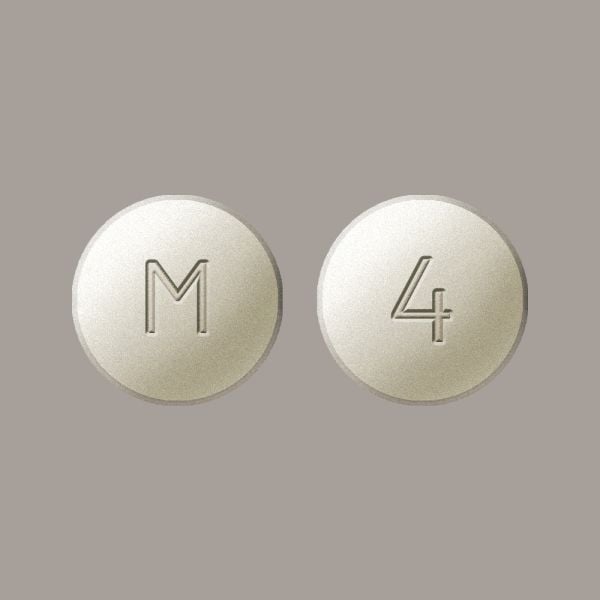
Hydromorphone 4mg is a prescription opioid medicine used by healthcare professionals to manage certain cases of severe pain when other treatment options may not provide adequate relief. It acts on opioid receptors in the nervous system to change how the body perceives pain. Because hydromorphone can cause serious breathing problems, sedation, and dependence, it requires careful medical supervision.
Understanding Hydromorphone 4mg
Hydromorphone belongs to a class of medicines known as opioid analgesics. Clinicians may prescribe it for selected pain conditions after assessing a patient’s symptoms, medical history, previous treatments, and individual risk factors. The 4mg strength identifies the amount stated on the product label; it does not establish a suitable dose for every person.
Different hydromorphone formulations may have different release characteristics and instructions. Always confirm the specific formulation and follow the prescription label. Never substitute one formulation for another or change the dose without consulting the prescribing professional.
Medical Use and Treatment Planning
The purpose of hydromorphone treatment is to provide appropriate pain management while limiting potential harm. A healthcare professional considers the severity and duration of pain, other available treatments, and the patient’s response. Treatment should be reviewed regularly to determine whether continued opioid therapy remains appropriate.
Take prescribed medicine only as directed. Do not take extra doses when pain persists, use medicine prescribed to another person, or change the schedule independently. Contact your clinician if pain remains uncontrolled or side effects interfere with daily activities. Your healthcare professional can reassess your condition and discuss alternatives.
Important Safety Precautions
Hydromorphone can slow breathing and may cause life-threatening respiratory depression. Risk is especially concerning when treatment begins, after a dose increase, or when the medicine is combined with alcohol, benzodiazepines, sleeping medicines, other opioids, or other sedating substances. Avoid alcohol and ask a pharmacist before taking additional medicines or supplements.
Seek emergency assistance if someone taking hydromorphone becomes difficult to awaken, has slow or shallow breathing, collapses, or develops blue or grey lips. If an opioid overdose is suspected and naloxone is available, use it according to its instructions while calling emergency services. Emergency evaluation remains essential even if the person appears to improve.
Inform your healthcare professional about breathing disorders, sleep apnoea, liver or kidney conditions, pregnancy, breastfeeding, and any history of substance use disorder. Provide a complete list of prescription medicines, over-the-counter products, and supplements to help identify dangerous interactions.
Possible Side Effects
Common side effects may include nausea, vomiting, constipation, dizziness, and drowsiness. Hydromorphone can reduce alertness and affect coordination. Avoid driving or operating machinery until you know how the prescribed medicine affects you. Seek urgent medical attention for severe sleepiness, breathing difficulties, fainting, or a serious allergic reaction.
Constipation may require discussion with a healthcare professional, particularly if it persists or is accompanied by severe abdominal pain or vomiting. Do not add other medicines to manage side effects without checking whether they are appropriate for you.
Storage and Responsible Handling
Store hydromorphone securely in its original packaging, away from children, visitors, and pets. Accidental ingestion can cause a fatal overdose, especially in children. Never share, sell, or leave opioid medication where another person could access it.
Follow pharmacy instructions for disposal or use an authorised medicine take-back programme. If you miss a dose, consult your prescriber or pharmacist rather than doubling the next dose. Do not stop ongoing opioid treatment suddenly without medical advice, as withdrawal symptoms may occur.
Questions to Discuss With Your Clinician
Ask why hydromorphone has been recommended, how treatment will be monitored, which interactions to avoid, and what to do if a dose is missed. Discuss whether naloxone should be available at home and ensure household members know how to recognise an opioid overdose.
Hydromorphone 4mg should be used only under appropriate medical supervision. Confirm the exact formulation and instructions with a licensed pharmacist. This information is educational and does not replace personalised medical advice, diagnosis, or treatment.

Reviews
There are no reviews yet.