
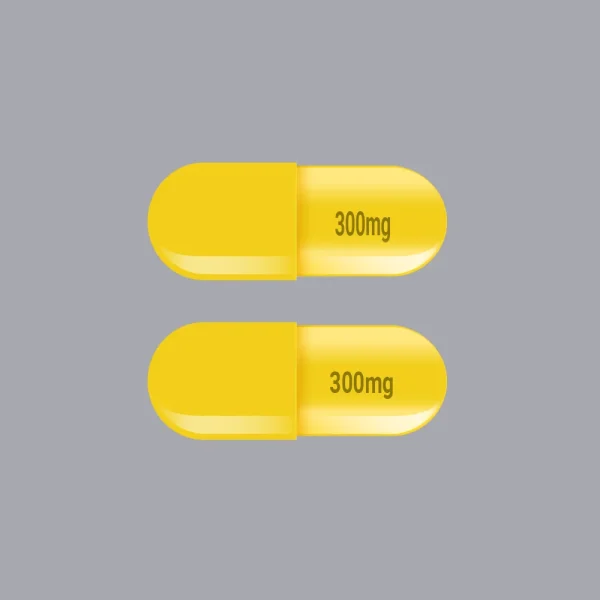
# Gabapentin 300mg: Uses, Features, and Important Information
Gabapentin 300mg is a medication containing gabapentin, an active ingredient that affects nerve signaling in the central nervous system. Healthcare professionals prescribe it for certain types of nerve pain and as an additional treatment for specific seizure disorders. Its suitability depends on the patient’s diagnosis, medical history, kidney function, and other medicines being taken.
## Understanding Gabapentin 300mg
Gabapentin belongs to a class of medicines commonly called anticonvulsants. It is available in several strengths, including 100mg, 300mg, and 400mg capsules, as well as other dosage forms. The 300mg strength may be used as part of an individualized treatment plan, but the appropriate dose and schedule must be determined by a qualified healthcare professional.
Although gabapentin can help with some forms of pain, it is not a conventional pain reliever like acetaminophen. It affects specific calcium channels in nerve cells and helps regulate the release of signaling chemicals. This action may reduce abnormal nerve activity associated with certain medical conditions.
## What Is Gabapentin 300mg Used For?
In the United States, gabapentin is approved for treating postherpetic neuralgia in adults. This condition involves persistent nerve pain that may remain after a shingles infection. Symptoms can include burning, aching, sensitivity to touch, or sharp sensations in the affected area.
Gabapentin is also approved as an additional treatment for partial-onset seizures in people with epilepsy, including eligible adults and children. It is used alongside other prescribed seizure medicines rather than replacing a treatment plan without medical advice.
Healthcare professionals sometimes prescribe gabapentin for other conditions, depending on individual circumstances. Such uses may be outside its officially approved indications. A prescriber can explain the reason for treatment and the expected benefits.
## How Gabapentin Works in the Body
Gabapentin binds to a particular subunit of voltage-gated calcium channels in the nervous system. This affects the release of certain neurotransmitters and helps regulate excessive nerve signaling. In appropriate patients, these effects can reduce certain types of nerve pain or help control seizures when gabapentin is combined with other medicines.
The medication does not produce the same results for everyone. The response can vary according to the condition being treated, the treatment schedule, kidney function, and other health factors. Patients should not increase or reduce their dose independently.
## Possible Side Effects
Common side effects include dizziness, sleepiness, fatigue, and problems with coordination. Some people may also experience swelling in the legs or feet. These effects can affect balance and alertness, so caution is important when driving or operating machinery, especially when beginning treatment or changing the dose.
Serious reactions can also occur. These may include an allergic reaction, significant mood or behavioral changes, and breathing difficulties. The risk of respiratory depression can increase when gabapentin is combined with opioids or other medicines that slow the central nervous system.
Seek urgent medical attention if severe breathing problems, facial or throat swelling, or other signs of a serious reaction develop.
## Precautions and Medication Interactions
Before starting gabapentin, discuss kidney disease, breathing conditions, allergies, pregnancy or breastfeeding, and all current medicines with a healthcare professional. Because gabapentin is eliminated mainly through the kidneys, people with reduced kidney function may require an adjusted dose.
Antacids containing aluminum or magnesium can reduce gabapentin absorption if taken too close together. Opioids, sedatives, and other medicines that cause drowsiness may increase certain risks. Ask a pharmacist or prescriber about appropriate timing and possible interactions.
Do not stop gabapentin suddenly without medical guidance, particularly when it is being used to control seizures. Abrupt discontinuation can increase seizure risk and may cause other withdrawal-related symptoms in some people. Any treatment change should follow professional instructions.
- ## Storage and Responsible Use
Keep Gabapentin 300mg in its original labeled packaging and follow the storage directions provided with the medicine. Store it securely away from children, excess heat, and moisture. Do not share prescription medication, and ask a pharmacist about appropriate disposal of unused capsules.
Gabapentin 300mg is one available strength, not a standard dose for every person or condition. Follow the prescribed schedule, attend recommended follow-up appointments, and report persistent symptoms or unwanted effects to the treating professional. Understanding its intended uses, precautions, and potential interactions supports informed and responsible medication management.


Reviews
There are no reviews yet.