
Buy Vyvanse Online
Showing all 7 results
-
Buy Vyvanse Online
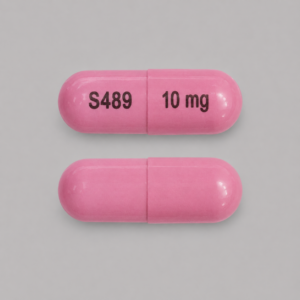
Vyvanse 10mg
Price range: $330.00 through $905.00 Select options This product has multiple variants. The options may be chosen on the product page -
Buy Vyvanse Online
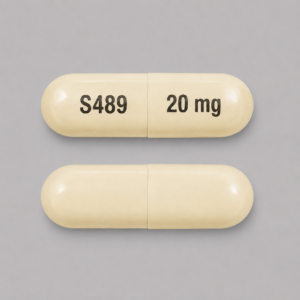
Vyvanse 20mg
Price range: $339.00 through $917.00 Select options This product has multiple variants. The options may be chosen on the product page -
Buy Vyvanse Online
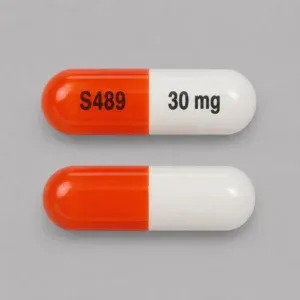
Vyvanse 30mg
Price range: $349.00 through $927.00 Select options This product has multiple variants. The options may be chosen on the product page -
Buy Vyvanse Online
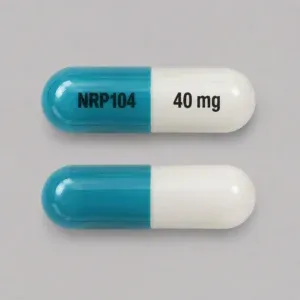
Vyvanse 40mg
Price range: $359.00 through $929.00 Select options This product has multiple variants. The options may be chosen on the product page -
Buy Vyvanse Online
Vyvanse 50mg
Price range: $369.00 through $932.00 Select options This product has multiple variants. The options may be chosen on the product page -
Buy Vyvanse Online
Vyvanse 60mg
Price range: $375.00 through $909.00 Select options This product has multiple variants. The options may be chosen on the product page -
Buy Vyvanse Online
Vyvanse 70mg
Price range: $379.00 through $909.00 Select options This product has multiple variants. The options may be chosen on the product page
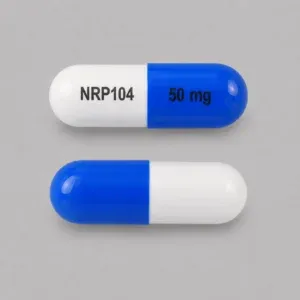
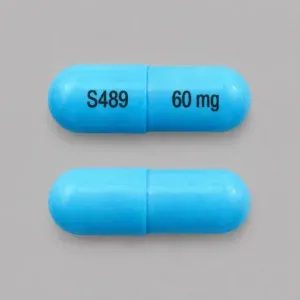
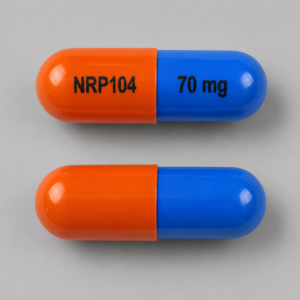
What Is Vyvanse?
Vyvanse is the brand name for lisdexamfetamine dimesylate. It is a stimulant medication that affects certain chemicals in the brain involved in attention, impulse control, and behavior.
For people with ADHD, a healthcare professional may prescribe Vyvanse as part of a broader treatment plan. Depending on the individual’s needs, treatment may also involve behavioral strategies, educational support, counseling, or other interventions.
Vyvanse is also approved for moderate to severe binge-eating disorder in adults. It is not approved as a weight-loss medication or for treating obesity.
What Is Vyvanse Used For?
Vyvanse has two main FDA-approved uses in the United States.
Vyvanse for ADHD
Attention-deficit/hyperactivity disorder can affect attention, organization, impulse control, and activity levels. Symptoms may interfere with school, work, relationships, and daily responsibilities.
Vyvanse may help reduce certain ADHD symptoms, such as difficulty maintaining attention, impulsive behavior, and excessive activity. The response varies from person to person, so a healthcare professional monitors treatment and adjusts the care plan when necessary.
Vyvanse for Binge-Eating Disorder
Binge-eating disorder involves recurring episodes of eating unusually large amounts of food accompanied by a feeling of loss of control. It can cause emotional distress and affect overall well-being.
For adults diagnosed with moderate to severe binge-eating disorder, Vyvanse may reduce the frequency of binge-eating episodes. Treatment should be medically supervised and may include psychological support and other appropriate interventions.
Vyvanse is not approved for treating binge-eating disorder in children or adolescents.
How Does Vyvanse Work?
Vyvanse is a prodrug, meaning the body converts it into its active form, dextroamphetamine, after it is absorbed. The active medication affects neurotransmitters, including dopamine and norepinephrine, which play roles in attention, motivation, and impulse regulation.
This mechanism may help improve attention and reduce impulsivity and hyperactivity in people with ADHD. In adults with binge-eating disorder, it may help reduce binge-eating episodes.
Although Vyvanse is designed to be converted into its active form in the body, it can still be misused and can cause serious health problems. Its formulation does not eliminate the risk of addiction or overdose.
Potential Benefits of Vyvanse
When prescribed appropriately, Vyvanse may provide benefits for people who meet the criteria for its approved uses.
Potential benefits for ADHD may include:
- Improved ability to sustain attention.
- Better control of impulsive behavior.
- Reduced symptoms of hyperactivity.
- Improved ability to manage some daily tasks and responsibilities.
For adults with moderate to severe binge-eating disorder, treatment may help reduce the number of binge-eating episodes.
These effects are not guaranteed. Treatment outcomes depend on individual factors, and regular follow-up helps determine whether the medication is effective and well tolerated.
Vyvanse Dosage and Administration
The appropriate Vyvanse dose depends on the condition being treated, age, response to therapy, other medications, and individual medical factors.
A healthcare professional determines the starting dose and any subsequent adjustments. Patients should follow their prescription label and should not increase, decrease, or share their medication without professional guidance.
Vyvanse is available in different capsule strengths and as a chewable tablet. The exact product and instructions should be confirmed with a pharmacist or prescriber.
If a dose is missed, follow the medication guide or ask a healthcare professional for advice. Do not take extra medication to make up for a missed dose. Taking Vyvanse later in the day may contribute to difficulty sleeping.
Common Side Effects of Vyvanse
Like other stimulant medications, Vyvanse can cause side effects. Some may improve as the body adjusts, while others may require medical review.
Commonly reported side effects include:
- Decreased appetite.
- Dry mouth.
- Trouble sleeping.
- Anxiety or irritability.
- Nausea or stomach discomfort.
- Dizziness.
- Increased heart rate.
- Weight loss.
Children taking Vyvanse may experience reduced appetite or changes in weight gain and growth. Healthcare professionals may monitor growth, weight, and other health indicators during treatment.
Contact your prescriber if side effects are persistent, severe, or interfere with everyday activities.
Serious Side Effects and Health Risks
Vyvanse can cause serious side effects in some people. Seek urgent medical attention for chest pain, fainting, severe shortness of breath, seizures, or signs of a serious allergic reaction.
Other important risks include:
Heart and blood pressure effects: Vyvanse may increase heart rate and blood pressure. People with certain heart conditions may face greater risks.
Mental health effects: Stimulants may cause new or worsening psychiatric symptoms in some patients, including agitation, mania, or psychotic symptoms.
Circulation problems: Some patients may develop circulation-related symptoms, including numbness, pain, or color changes in fingers and toes.
Serotonin syndrome: The risk may increase when Vyvanse is combined with certain medicines that affect serotonin. Symptoms can include agitation, fever, sweating, confusion, tremor, and muscle stiffness. Seek urgent medical care if serotonin syndrome is suspected.
Misuse and dependence: Vyvanse has the potential for misuse, addiction, and physical dependence. Taking more than prescribed can increase the risk of serious harm.
Who Should Exercise Caution With Vyvanse?
Vyvanse may not be appropriate for people with certain medical conditions or medication combinations. Before treatment, tell your healthcare professional if you have:
- Heart disease, high blood pressure, or a history of cardiovascular problems.
- A history of seizures.
- Bipolar disorder, psychosis, or other significant mental health concerns.
- Circulation problems affecting the hands or feet.
- Kidney problems.
- A history of substance misuse or addiction.
Also tell your prescriber about all prescription medications, over-the-counter medicines, vitamins, and supplements you take.
Vyvanse should not be used with monoamine oxidase inhibitors (MAOIs), or within the restricted period after stopping an MAOI, because the combination can cause a dangerous interaction. Your prescriber or pharmacist can check the relevant timing and potential interactions.
Vyvanse Interactions and Precautions
Certain medications and substances can change the effects or risks of Vyvanse. These include some antidepressants, medicines that affect blood pressure, and other stimulant products.
Avoid taking additional stimulant medication unless your prescriber specifically directs you to do so. Discuss alcohol use and any other substances with your healthcare professional.
Do not share Vyvanse with anyone, even if they have similar symptoms. Store it securely to prevent theft, misuse, or accidental ingestion by children.
Can Vyvanse Cause Dependence?
Yes. Vyvanse contains lisdexamfetamine, a stimulant with a recognized risk of misuse and dependence. Taking the medication differently from the prescribed instructions can increase this risk.
Do not take higher doses or use the medication for purposes other than those prescribed. If you feel that your medication is no longer working as expected, speak with your prescriber instead of changing the dose yourself.
If you have concerns about dependence or stopping treatment, a healthcare professional can help you assess the situation and plan appropriate care.
Vyvanse and Pregnancy or Breastfeeding
If you are pregnant, planning a pregnancy, or breastfeeding, discuss Vyvanse with your healthcare professional. The potential benefits and risks need to be assessed individually, taking into account the condition being treated and available alternatives.
Do not start or stop the medication during pregnancy or breastfeeding without medical guidance.
What to Know Before Starting Vyvanse
Before beginning treatment, your healthcare professional may review your symptoms, medical history, current medications, blood pressure, heart rate, and relevant mental health considerations.
During treatment, follow-up visits can help assess whether symptoms are improving and whether side effects are developing. Your prescriber may recommend monitoring appetite, sleep, weight, growth in children, or cardiovascular measurements.
Keep your appointments and report any significant changes in mood, sleep, appetite, or physical health.
How to Obtain Vyvanse Safely
Vyvanse is a prescription medication in the United States and is classified as a Schedule II controlled substance. A qualified healthcare professional must determine whether it is appropriate for your condition.
If prescribed, obtain Vyvanse through a properly licensed pharmacy and follow the applicable prescription requirements. Be cautious of websites offering controlled medications without a valid prescription or appropriate clinical review.
HealthConsultPro encourages patients to verify pharmacy credentials, consult qualified healthcare professionals, and avoid unverified sources that may supply counterfeit or unsafe products.
Frequently Asked Questions About Vyvanse
What is Vyvanse commonly prescribed for?
Vyvanse is approved to treat ADHD in patients aged six years and older and moderate to severe binge-eating disorder in adults.
Is Vyvanse a stimulant?
Yes. Vyvanse is a central nervous system stimulant. Its active form affects brain chemicals involved in attention and impulse regulation.
Can Vyvanse help with weight loss?
Vyvanse is not approved as a weight-loss medication. Although decreased appetite and weight loss can occur as side effects, it should not be used for weight management unless a qualified healthcare professional is addressing an appropriate, approved indication.
How long does Vyvanse last?
The duration of effect varies between individuals. The medication’s effects depend on factors such as the prescribed dose, metabolism, and individual response. Ask your prescriber or pharmacist about what to expect in your specific case.
Can Vyvanse cause insomnia?
Yes. Difficulty sleeping is a known side effect. Tell your healthcare professional if sleep problems develop or persist.
Can Vyvanse be taken with other medications?
Some combinations may increase the risk of side effects or serious interactions. Provide your prescriber and pharmacist with a complete list of your medications and supplements before starting treatment.
Is Vyvanse safe for everyone?
No. Its suitability depends on medical history, age, other medications, and individual risk factors. A healthcare professional should assess these factors before prescribing it.
Conclusion
Vyvanse is a prescription stimulant used to treat ADHD and moderate to severe binge-eating disorder in adults. When appropriately prescribed and monitored, it may help manage symptoms, but it also carries risks that include appetite changes, insomnia, cardiovascular effects, misuse, and dependence.
Understanding the medication’s approved uses, possible side effects, interactions, and precautions can help patients have informed discussions with their healthcare professionals. HealthConsultPro recommends following prescription instructions and obtaining medication only through legitimate, licensed pharmacy channels.
Medical disclaimer: This article is for educational purposes only and is not a substitute for professional medical advice, diagnosis, or treatment. Always consult a qualified healthcare professional about individual treatment decisions.