
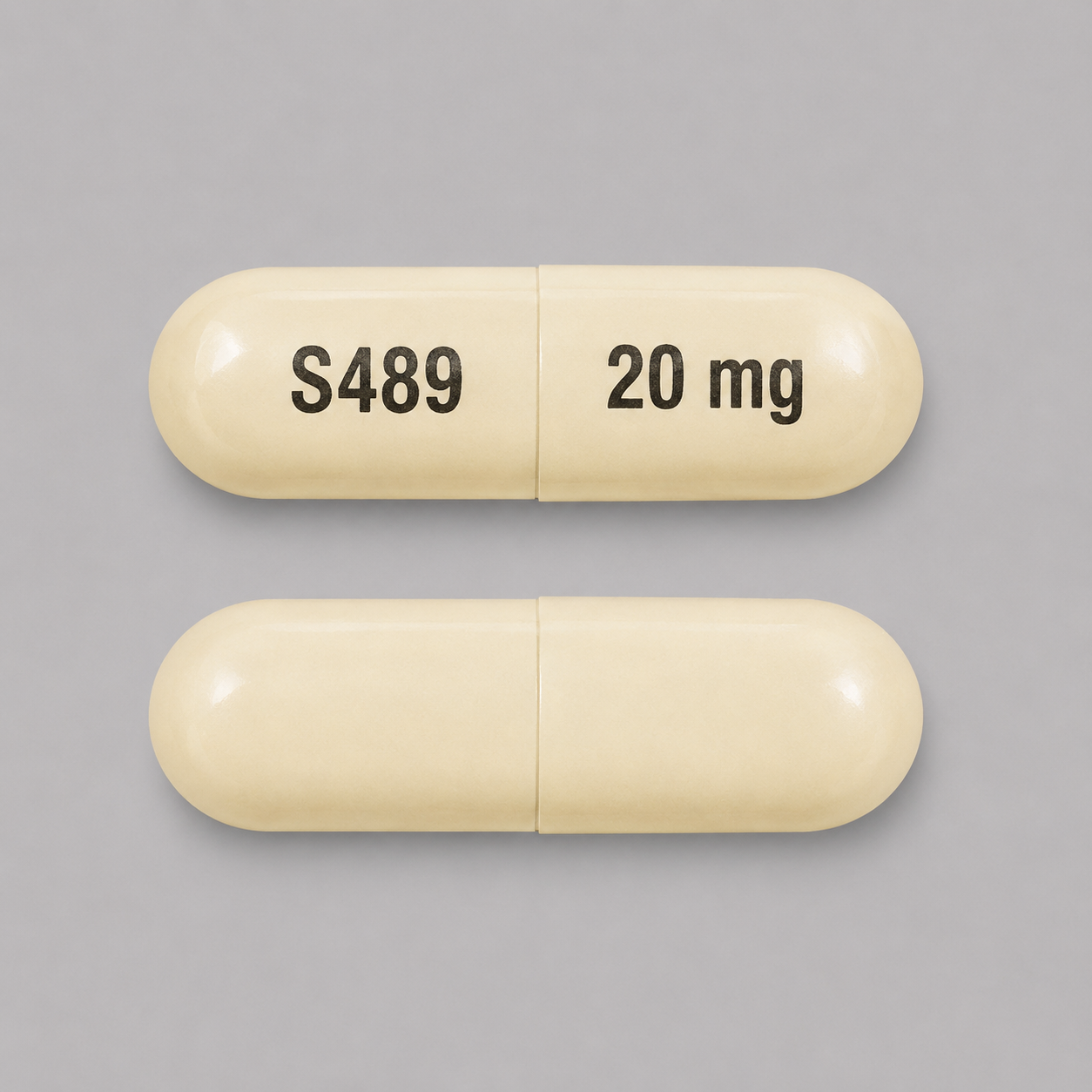
# Vyvanse 20mg: ADHD Treatment, Medication Guide, and Precautions
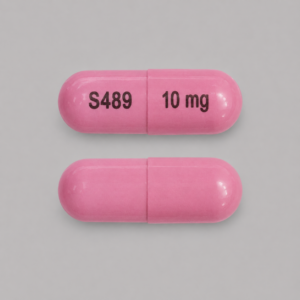
Vyvanse 20mg is a prescription medication containing lisdexamfetamine dimesylate, a central nervous system stimulant. It may be prescribed to manage attention-deficit/hyperactivity disorder (ADHD) in eligible patients. In adults, Vyvanse is also approved for treating moderate to severe binge-eating disorder. The suitability of this medication depends on a professional assessment, including symptoms, medical history, other medicines, and individual treatment goals.
## Understanding the Purpose of Vyvanse
ADHD can affect concentration, organization, impulse control, and the ability to complete everyday tasks. A healthcare professional may consider Vyvanse as one component of a personalized treatment plan. The medication is not appropriate for everyone, and a prescription should follow a proper clinical evaluation.
For adults diagnosed with moderate to severe binge-eating disorder, lisdexamfetamine may be considered as part of treatment. It is not approved as a general weight-loss medicine. Patients should use it only for the condition and purpose specified by their prescriber.
## What Happens After Taking Lisdexamfetamine?
Lisdexamfetamine is a prodrug that the body converts into dextroamphetamine. This active substance influences neurotransmitter activity involved in attention and impulse regulation. The medicine is designed for oral administration according to the product instructions. Individual responses differ, so the prescriber should evaluate symptom changes and any unwanted effects throughout treatment.
Patients should not assume that a particular strength will produce identical results for everyone. A clinician determines whether the prescribed treatment is suitable and reviews progress during follow-up visits.
## Following Your Prescribed Treatment Plan
Use Vyvanse 20mg only according to the instructions provided by your healthcare professional and pharmacist. Do not take extra doses, change the schedule, or adjust the amount independently. If you forget a dose, consult the medication guide or ask your pharmacist for advice. Avoid taking additional medicine to compensate for a missed dose.
Tell your prescriber if symptoms remain difficult to manage or if treatment causes problems with daily activities. These concerns require individualized medical advice rather than self-directed changes.
## Side Effects Worth Recognizing
Possible side effects include decreased appetite, dry mouth, nausea, anxiety, irritability, and difficulty sleeping. Some patients may also experience an increased heart rate or elevated blood pressure. Report persistent or troublesome symptoms to your healthcare professional.
Serious symptoms require prompt attention. Seek emergency medical assistance for chest pain, fainting, severe shortness of breath, or signs of a serious allergic reaction. New severe agitation, hallucinations, or unusual mood changes should also receive urgent medical evaluation.
## Medical Conditions and Drug Interactions
Before treatment begins, explain your health history to your prescriber. Important considerations include cardiovascular disease, high blood pressure, circulation problems, seizures, mental health conditions, and a history of substance misuse. Share a complete list of prescription medicines, nonprescription products, and supplements.
Vyvanse can interact with certain medicines, including monoamine oxidase inhibitors. Some combinations may create serious health risks. Follow your prescriber’s instructions and the official medication guide regarding interactions and medicines that must not be taken together.
## Responsible Storage and Monitoring
Lisdexamfetamine is a controlled stimulant with potential for misuse, abuse, and dependence. Never share Vyvanse with another person, even if they report similar symptoms. Keep it securely stored and inaccessible to children. Ask a pharmacist how to dispose of unused medication safely.
Regular appointments allow your clinician to monitor treatment response, side effects, blood pressure, heart rate, and changing health needs.
## Frequently Asked Questions
### Is Vyvanse 20mg suitable for every person with ADHD?
No. A qualified healthcare professional must assess the diagnosis, health history, current medicines, and possible risks before prescribing treatment.
### Can this medication influence appetite or sleep?
Yes. Reduced appetite and sleep difficulties are recognized side effects. Discuss ongoing concerns with your prescriber.
### Can I adjust my prescription without medical advice?
No. Contact your healthcare professional before making changes to your treatment plan.
## Final Considerations
Vyvanse 20mg requires a valid prescription and appropriate medical supervision. Understanding its uses, possible side effects, interactions, and storage requirements can help patients participate in informed treatment decisions. Consult a licensed healthcare professional for advice tailored to your circumstances.
Reviews
There are no reviews yet.