
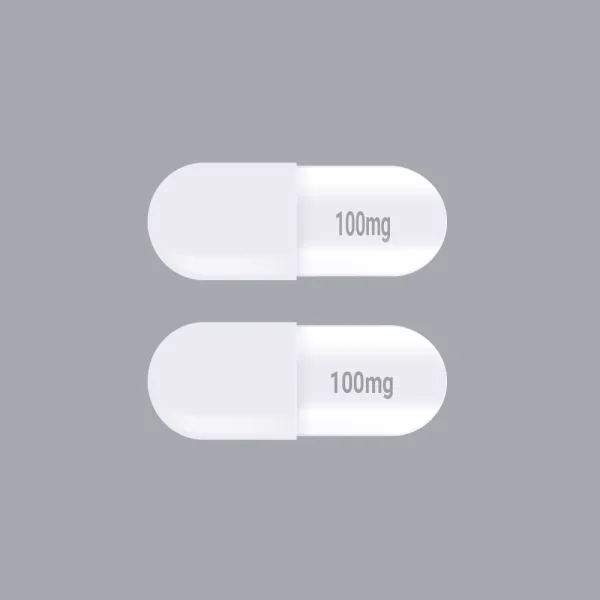
Gabapentin 100mg: Uses, Benefits, and Medication Information
Gabapentin 100mg contains gabapentin, a medicine that affects nerve signaling in the central nervous system. It is commonly prescribed for certain types of nerve pain and may also be used alongside other medicines to help control partial-onset seizures. The suitability of this strength depends on the individual’s condition, medical history, and treatment plan.
What Is Gabapentin 100mg?
Gabapentin belongs to a group of medicines known as anticonvulsants. Although it was initially developed for seizure management, it is also used to treat specific nerve-related pain conditions. The 100mg strength is available in capsule form and may be selected by a healthcare professional when a lower strength is appropriate.
Gabapentin is not a conventional painkiller like acetaminophen. It works through a different mechanism involving calcium channels in nerve cells, helping regulate the release of certain signaling chemicals. This action can reduce abnormal nerve activity associated with particular medical conditions.
What Is Gabapentin Used For?
Gabapentin is approved in the United States for postherpetic neuralgia in adults, a type of nerve pain that can remain after shingles. It is also approved as an additional treatment for partial-onset seizures in certain adults and children with epilepsy.
Healthcare professionals may prescribe gabapentin for other conditions in selected circumstances, depending on clinical judgment and local guidance. However, not every use has the same level of evidence or regulatory approval. A prescriber can explain the intended purpose and expected benefits for an individual patient.
How Does Gabapentin Work?
Gabapentin influences the activity of calcium channels in the nervous system. By affecting the release of neurotransmitters, it can help reduce excessive nerve signaling. This may lessen certain nerve pain symptoms or support seizure control when used with other prescribed treatments.
The medication does not work identically for everyone. The response may depend on the condition being treated, the prescribed regimen, kidney function, and other medicines. Patients should follow their individualized treatment instructions rather than changing the dose based on symptoms alone.
Possible Side Effects
Some people taking gabapentin experience dizziness, sleepiness, fatigue, or difficulty with coordination. Swelling in the arms or legs may also occur. These effects can affect balance, alertness, driving, and the ability to operate machinery.
More serious reactions are possible, although they are less common. These include severe allergic reactions, unusual mood or behavior changes, and breathing difficulties. The risk of respiratory depression may increase when gabapentin is taken with opioid medicines or other central nervous system depressants, particularly in people with respiratory problems.
Seek urgent medical attention for trouble breathing, severe swelling of the face or throat, or other signs of a serious reaction.
Precautions and Drug Interactions
Before beginning treatment, tell the healthcare professional about kidney problems, breathing conditions, allergies, pregnancy or breastfeeding, and all medicines or supplements being used. Gabapentin is removed from the body primarily through the kidneys, so people with reduced kidney function may require an adjusted regimen.
Antacids containing aluminum or magnesium can affect gabapentin absorption. Certain opioids and sedating medicines can increase drowsiness or breathing-related risks. Do not start, stop, or combine medicines without checking with a qualified healthcare professional.
Gabapentin should not be stopped abruptly without medical guidance, particularly when used to control seizures. Sudden discontinuation may increase seizure risk or cause withdrawal symptoms in some people. Follow the prescriber’s instructions for any changes.
Storage and Handling
Store Gabapentin 100mg according to the instructions on its original packaging. Keep the medicine in a secure place, away from excessive heat, moisture, children, and anyone for whom it was not prescribed. Check the label and expiration date before use, and ask a pharmacist how to dispose of unused medication safely.
Responsible Use and Follow-Up
Gabapentin 100mg is one available strength, not a universally appropriate dose for every condition. Treatment should be tailored to the patient’s needs and reviewed when symptoms change or side effects occur. Keep follow-up appointments and discuss concerns with the prescribing professional.
Understanding the medicine’s purpose, potential adverse effects, and interactions can help patients use gabapentin more safely as part of a supervised treatment plan.
Reviews
There are no reviews yet.