
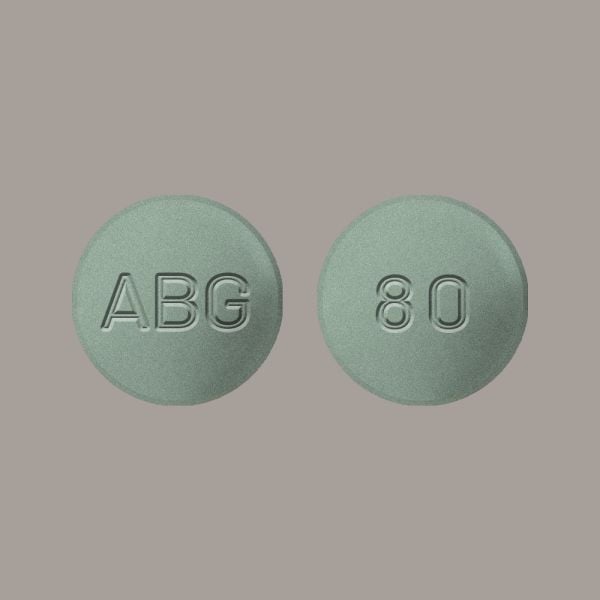
Oxycodone 80mg: Formulation, Medical Uses, and Safety
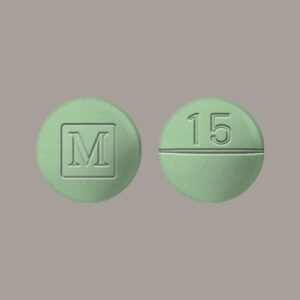
Oxycodone 80mg is a high-strength prescription opioid formulation most commonly associated with extended-release tablets. It contains oxycodone hydrochloride, an opioid analgesic that acts on the central nervous system to change how the body perceives pain. Extended-release oxycodone is used in selected clinical situations involving severe, persistent pain when alternative treatments are inadequate. Because this strength carries substantial risks, its use requires careful prescribing, appropriate patient selection, and ongoing medical supervision.
What Is Oxycodone 80mg?
Oxycodone is an opioid medication that interacts with opioid receptors in the brain and nervous system. These actions modify pain signaling and can reduce the sensation of pain. Extended-release tablets are designed to release the medicine gradually over time rather than delivering it all at once.
The 80mg strength is particularly important to distinguish from lower strengths and immediate-release formulations. According to U.S. prescribing information, extended-release oxycodone tablets at 80mg are intended only for patients with established tolerance to opioids of comparable potency. They are not suitable for someone who has not developed the required opioid tolerance.
Medical Uses and Treatment Considerations
Extended-release oxycodone is prescribed for severe pain that requires continuous, around-the-clock, long-term opioid treatment when alternative therapies do not provide adequate relief, are not tolerated, or are otherwise unsuitable.
The extended-release formulation is not designed for occasional or as-needed pain relief. A healthcare professional evaluates the cause of pain, previous treatments, other medications, and individual risk factors before deciding whether opioid therapy is appropriate.
Treatment should be reviewed regularly to assess effectiveness, side effects, and continuing need. Patients should never change their opioid dose, switch formulations, or substitute one opioid for another without guidance from the prescribing clinician.
How Extended-Release Oxycodone Works
Oxycodone activates opioid receptors in the central nervous system, changing the way pain signals are processed. The extended-release formulation provides prolonged medication delivery when used as directed.
However, oxycodone also affects alertness and breathing. It may cause sleepiness, dizziness, reduced coordination, and constipation. Respiratory depression, in which breathing becomes dangerously slow or shallow, is a major safety concern. Risk can increase when treatment begins, doses change, or other sedating substances are used.
Possible Side Effects
Common side effects associated with oxycodone include nausea, vomiting, constipation, dizziness, drowsiness, headache, itching, and sweating. The severity of these effects varies between individuals.
More serious complications include severe sedation, low blood pressure, physical dependence, respiratory depression, and overdose. Difficulty breathing, blue or gray lips, or an inability to awaken someone may indicate an opioid emergency. Call emergency services immediately and administer naloxone if available and appropriate.
Warnings and Drug Interactions
Oxycodone carries serious warnings concerning addiction, misuse, overdose, and life-threatening respiratory depression. Physical dependence can develop during regular treatment. The medicine should only be used by the person for whom it was prescribed.
Alcohol, benzodiazepines, sleeping medicines, and other central nervous system depressants can increase sedation and breathing suppression. Combining these substances with oxycodone can cause coma or death. Patients should tell their healthcare professional about all prescription medicines, nonprescription products, and supplements they use.
Extended-release tablets must be taken according to their specific prescribing instructions. Cutting, crushing, chewing, or dissolving them can release the medicine too quickly and cause a potentially fatal overdose. Never alter the tablet or change the prescribed regimen without professional advice.
Safe Storage and Medication Management
Follow the prescription label and the prescriber’s instructions. Never take additional doses, share medication, or make unsupervised changes to treatment. Avoid driving or operating machinery if the medicine affects alertness or coordination.
Store oxycodone securely in its original labeled container, away from children and unauthorized users. Accidental ingestion can be fatal. Follow official disposal guidance or use an authorized medication take-back program for unused tablets.
Conclusion
Oxycodone 80mg is a high-strength extended-release opioid formulation intended for carefully selected patients with established opioid tolerance who require ongoing treatment for severe pain. Potential benefits must be weighed against serious risks, including respiratory depression, dependence, interactions, and overdose. A qualified healthcare professional should determine whether this treatment is appropriate. This information is educational and does not replace individualized medical advice or prescribing instructions.
Reviews
There are no reviews yet.