
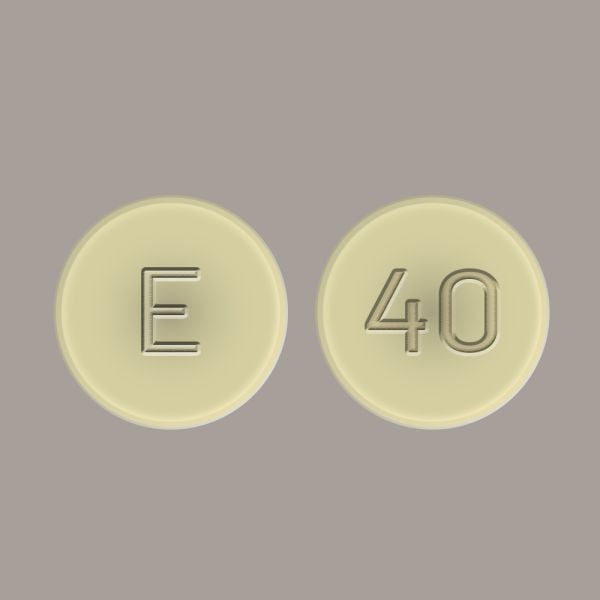
Opana ER 40mg: Product History, Formulation, and Safety
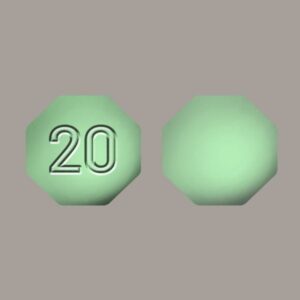
Opana ER 40mg is an extended-release formulation containing oxymorphone hydrochloride, a potent prescription opioid analgesic. It was historically prescribed for severe, persistent pain requiring continuous, around-the-clock opioid treatment when alternative options were inadequate. Oxymorphone carries substantial risks, including respiratory depression, overdose, physical dependence, and addiction, making professional supervision essential.
Opana ER 40mg: Active Ingredient and Historical Use
The active ingredient in Opana ER 40mg is oxymorphone hydrochloride. This opioid acts on receptors in the central nervous system to alter the perception of pain. Its extended-release design was intended to release medication over time, rather than provide immediate relief for occasional discomfort.
Opioid therapy is not suitable for every type of pain. Healthcare professionals consider the underlying condition, previous treatment, medical history, other medicines, and individual risk factors before determining whether opioid treatment is appropriate. A product’s historical strength should not be interpreted as a personal dosing recommendation.
Opana ER 40mg: Extended-Release Formulation
Extended-release medicines have different release characteristics from immediate-release products. They should not be substituted for one another without professional assessment because differences in formulation can affect how medication is released and absorbed.
Opioid tablets must be handled according to their specific prescribing instructions. Crushing, chewing, breaking, or dissolving an extended-release opioid tablet can release medication too quickly and lead to a potentially fatal overdose. Never alter a tablet or change how a prescription medicine is administered without guidance from a pharmacist or prescriber.
Opana ER 40mg: Medical Assessment and Prescribing
Oxymorphone treatment requires an individualized clinical evaluation. A prescriber considers pain severity, previous opioid exposure, current medical conditions, other medications, and the potential benefits and risks of treatment.
Patients should not initiate opioid therapy, change doses, or switch between opioid formulations based on online descriptions. Regular opioid use may lead to physical dependence, and stopping suddenly can cause withdrawal symptoms. Any treatment change should be planned with the prescribing professional.
Opana ER 40mg: Potential Side Effects and Warnings
Possible side effects associated with oxymorphone include nausea, vomiting, constipation, dizziness, itching, drowsiness, and lightheadedness. These effects may interfere with concentration, balance, and routine activities. Driving or operating machinery can be unsafe when alertness is affected.
More serious risks include respiratory depression, low blood pressure, addiction, misuse, and overdose. Alcohol, benzodiazepines, sleeping medicines, and other central nervous system depressants can increase sedation and dangerously suppress breathing. These combinations require professional evaluation and should not be undertaken without medical guidance.
Seek emergency medical assistance if someone is difficult to awaken, becomes unresponsive, or develops slow, shallow, or absent breathing. Naloxone can temporarily reverse an opioid overdose, but emergency medical care remains necessary.
Opana ER 40mg: Precautions and Secure Storage
Before opioid treatment, patients should disclose breathing disorders, liver conditions, gastrointestinal problems, head injuries, pregnancy, and all prescription medicines, nonprescription products, and supplements they use. Certain health conditions can increase the risk of complications.
Keep opioid medication securely stored in its original packaging and away from children and anyone for whom it was not prescribed. Accidental ingestion can be fatal. Follow pharmacist instructions for disposal, and ask a healthcare professional whether naloxone should be available.
Opana ER 40mg: U.S. Market Status
The reformulated branded Opana ER product was voluntarily withdrawn from the U.S. market in 2017 following FDA concerns about the public health consequences of abuse. The FDA subsequently withdrew approval of the reformulated product in 2020. Although the original formulation was treated differently in FDA records, the branded product is listed as discontinued. Do not assume that historical product listings indicate current availability.
Patients seeking pain treatment should consult a licensed healthcare professional or pharmacist to discuss currently appropriate options.
Medical disclaimer: This content is provided for educational purposes only. It does not replace official prescribing information, professional medical advice, or an individualized treatment plan.
Reviews
There are no reviews yet.