
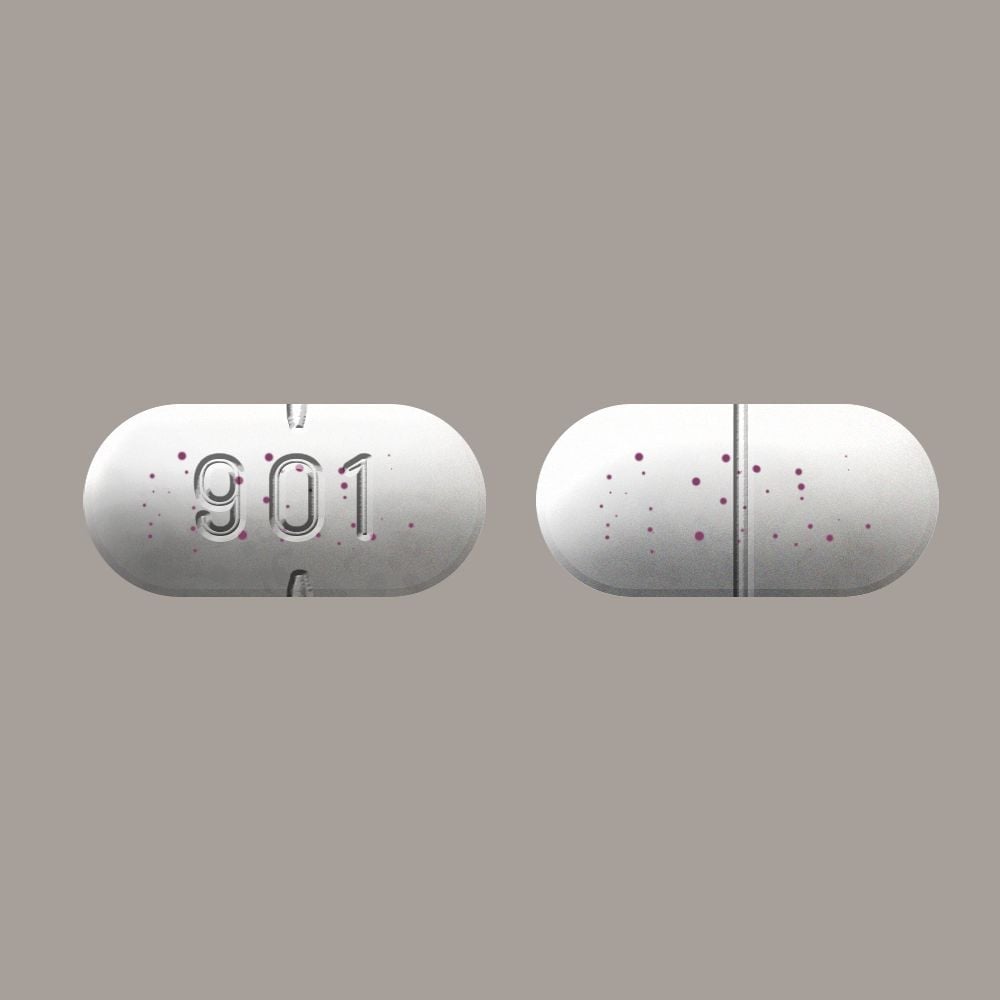
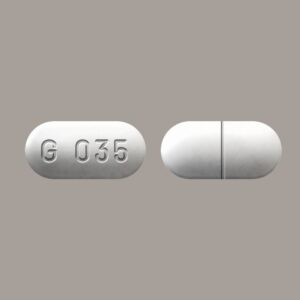
Lortab 2.5/500mg is a historical prescription combination pain medicine associated with hydrocodone 2.5mg and acetaminophen 500mg. Hydrocodone is an opioid pain reliever, while acetaminophen provides additional pain relief. Because formulations and availability can vary, the exact product ingredients should be confirmed with a licensed pharmacist before relying on this information.
Understanding Lortab 2.5/500mg
The traditional formulation combines two active ingredients that work differently in the body. Hydrocodone acts on opioid receptors in the nervous system, changing how pain is perceived. Acetaminophen supports pain relief through a separate mechanism. Although opioid combinations may be considered in selected clinical situations, hydrocodone can cause sedation, physical dependence, and potentially life-threatening breathing problems.
The 2.5/500mg designation refers to the amounts associated with this historical formulation. It does not establish whether the medicine is suitable for a particular person. A healthcare professional considers the cause of pain, medical history, other medicines, and individual risk factors before recommending treatment.
Medical Use and Individual Assessment
A qualified clinician may consider opioid combination medicines for certain pain conditions when alternative treatments are insufficient or unsuitable. Treatment decisions should be personalised, with benefits and risks reviewed regularly. Patients should follow their prescription directions and never take another person’s medicine, increase a dose independently, or use additional tablets to seek faster relief.
If pain continues or unwanted effects occur, contact the prescribing professional. A clinician can reassess the condition and discuss appropriate alternatives. Do not start, change, or discontinue ongoing opioid treatment without medical guidance.
Important Safety Precautions
Hydrocodone can slow breathing and cause life-threatening respiratory depression. Risk may increase when it is combined with alcohol, benzodiazepines, sleeping medicines, other opioids, or other sedating substances. Avoid alcohol and consult a pharmacist before combining medicines or supplements.
Seek emergency assistance if someone becomes difficult to awaken, develops slow or shallow breathing, collapses, or has blue or grey lips. If an opioid overdose is suspected and naloxone is available, use it according to its instructions and call emergency services. Naloxone may wear off before the opioid does, so emergency medical assessment remains essential.
Acetaminophen can cause serious liver injury when excessive amounts are taken. Check prescription and over-the-counter products, including cold and pain medicines, to avoid accidentally combining multiple acetaminophen-containing products. Ask a healthcare professional about an appropriate daily limit for your circumstances.
Possible Side Effects
Potential side effects include nausea, vomiting, constipation, dizziness, and drowsiness. Reduced alertness may affect driving, operating machinery, and other activities requiring concentration. Avoid these activities until you know how a prescribed medicine affects you. Seek urgent medical care for breathing difficulties, extreme sleepiness, fainting, a serious allergic reaction, or possible liver injury, including yellowing of the skin or eyes.
Tell your healthcare professional about liver disease, breathing disorders, sleep apnoea, pregnancy, breastfeeding, or a history of substance use disorder. Provide a complete list of prescription medicines, over-the-counter products, and supplements so potential interactions can be assessed.
Storage and Responsible Handling
Keep prescribed medicine in its original packaging and store it securely, away from children, visitors, and pets. Accidental ingestion can cause a fatal overdose, particularly in children. Never share or sell prescription opioids, and never leave them where others can access them.
Follow pharmacy guidance for disposal or use an authorised medicine take-back programme. If you miss a dose, ask your prescriber or pharmacist what to do instead of doubling the next dose. Do not stop ongoing opioid treatment abruptly without medical advice.
Questions to Discuss With Your Clinician
Ask about the purpose of treatment, expected benefits, treatment duration, potential interactions, and ways to reduce side effects. Discuss whether naloxone should be available at home and ensure household members know how to recognise an opioid overdose. Confirm the exact product name, ingredients, formulation, and strength with a licensed pharmacist before use.
Lortab 2.5/500mg should only be considered within appropriate medical care. This educational information does not replace professional advice, diagnosis, or an individualised treatment plan.
Reviews
There are no reviews yet.