

Demerol 50mg: Uses, Ingredients, and Safety Information
Demerol 50mg is a prescription medication containing meperidine hydrochloride, an opioid analgesic that acts on the central nervous system to relieve pain. The 50mg strength has been available as an oral tablet in U.S. prescribing information. Meperidine is intended for selected situations involving acute pain severe enough to require an opioid when alternative treatments are ineffective, unsuitable, or insufficient. Its use requires careful medical assessment because opioids carry significant risks, including respiratory depression, misuse, dependence, overdose, and death.
What Is Demerol 50mg?
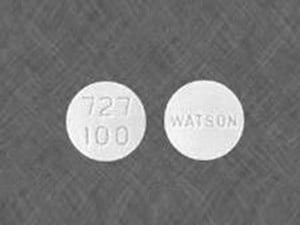
Demerol is a brand name for meperidine hydrochloride. The 50mg tablet formulation contains 50 milligrams of the active ingredient per tablet. Meperidine belongs to the opioid class of medicines and changes how the nervous system processes pain signals.
The strength describes the quantity of medication in an individual tablet; it does not establish the correct dose for every patient. Treatment decisions depend on the severity of pain, previous opioid exposure, other medications, age, kidney and liver function, and individual risk factors. A qualified prescriber must determine whether this medicine is appropriate.
Medical Uses of Demerol
Meperidine tablets have been indicated for managing acute pain that is severe enough to require opioid treatment when alternative options do not provide adequate relief or cannot be used. Opioid therapy is generally reserved for situations in which the anticipated benefits outweigh the risks.
Demerol injection has separate clinical indications, including certain uses before surgery, as support for anesthesia, and for obstetrical analgesia. These injectable uses should not be confused with the indications for oral tablets, because formulations and clinical circumstances differ.
Demerol tablets are not intended for the treatment of chronic pain. Extended use can increase the risk of toxicity from normeperidine, a metabolite that can accumulate and contribute to neurological complications, including seizures. A healthcare professional should evaluate persistent pain rather than extending treatment without reassessment.
How Meperidine Works
Meperidine is an opioid agonist that acts on opioid receptors in the central nervous system. By altering the transmission and perception of pain signals, it can reduce the sensation of pain.
Its central nervous system effects may also cause sleepiness, dizziness, and slowed breathing. These effects can become more dangerous when the medicine is combined with alcohol, sedatives, benzodiazepines, or other opioids. The degree of pain relief and the likelihood of adverse reactions vary among individuals.
Possible Side Effects
Commonly reported adverse effects of meperidine include lightheadedness, dizziness, sedation, nausea, vomiting, and sweating. Constipation may also occur with opioid treatment. Some patients experience impaired alertness or coordination, increasing the risk of falls and accidents.
A particularly serious risk is respiratory depression, in which breathing becomes dangerously slow or shallow. Severe sedation, inability to awaken, blue or gray lips, or difficulty breathing may indicate an overdose and require emergency assistance. If an opioid overdose is suspected, call emergency services and administer naloxone if available and appropriate.
Warnings and Drug Interactions
Demerol carries risks of addiction, abuse, misuse, physical dependence, overdose, and potentially fatal respiratory depression. It should be used only by the person for whom it was prescribed and under appropriate medical supervision.
Combining meperidine with alcohol, benzodiazepines, sleeping medicines, or other central nervous system depressants can cause profound sedation, coma, or death. Meperidine also has important interactions with monoamine oxidase inhibitors (MAOIs); concurrent use or use within 14 days of an MAOI is contraindicated under U.S. prescribing information. Certain serotonergic medicines may also increase the risk of serotonin syndrome.
Patients should disclose all medicines, supplements, allergies, and relevant health conditions to their prescriber. People with breathing disorders or other significant medical concerns may require additional assessment. Never adjust the dose or combine medications without professional guidance.
Responsible Use and Storage
Follow the prescription label and the prescriber’s instructions exactly. Do not take more medication than directed, share tablets, or use another person’s prescription. Avoid driving or operating machinery if the medication causes drowsiness or dizziness.
Store medication securely in its original labeled container, following the product instructions and keeping it away from children and unauthorized users. Dispose of unused opioids through an appropriate medication take-back program when available.
Conclusion
Demerol 50mg is an opioid medication associated with significant benefits and serious risks. Its role is limited to selected clinical circumstances where opioid treatment is warranted. A healthcare professional can explain the formulation, potential interactions, and safer alternatives based on individual needs. This information is educational and does not replace medical advice, diagnosis, or prescribing instructions.
Reviews
There are no reviews yet.