

Diazepam 5mg: Uses, Benefits, Safety, and Precautions
Diazepam 5mg is a prescription medication containing diazepam, a medicine belonging to the benzodiazepine class. Healthcare professionals may prescribe diazepam for certain anxiety disorders, short-term relief of anxiety symptoms, muscle spasms, and specific symptoms associated with acute alcohol withdrawal. It acts on the central nervous system to produce calming effects. The appropriate treatment depends on an individual’s medical condition, age, other medications, and response to therapy.
What Is Diazepam 5mg?
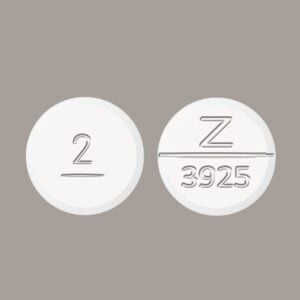
Diazepam 5mg is an oral tablet formulation containing five milligrams of the active ingredient diazepam. It affects the activity of gamma-aminobutyric acid (GABA), a neurotransmitter that helps regulate nerve signaling in the brain. By enhancing GABA’s inhibitory effects, diazepam can reduce excessive nervous system activity and produce sedative, muscle-relaxant, and anticonvulsant effects.
The 5mg strength identifies the amount of active ingredient in each tablet. It does not mean that the same dose is appropriate for everyone. A qualified healthcare professional determines whether this strength is suitable based on the patient’s needs and medical history.
Medical Uses and Treatment Considerations
Diazepam may be prescribed for several specific medical purposes. These include managing diagnosed anxiety disorders, providing short-term relief of significant anxiety symptoms, and helping relieve certain types of muscle spasms. In supervised medical care, it may also be used to manage symptoms of acute alcohol withdrawal. In some circumstances, clinicians use diazepam as an additional treatment for particular seizure disorders.
The medicine is not intended to treat every instance of everyday stress or occasional nervousness. A clinician should evaluate persistent symptoms and consider the potential benefits and risks before recommending treatment. Diazepam’s suitability also depends on whether safer or more appropriate alternatives are available.
How Diazepam Works in the Body
GABA is an important chemical messenger that reduces excessive activity in the central nervous system. Diazepam enhances the effects of GABA at specific receptors, helping nerve cells respond more strongly to this inhibitory signal.
These actions may help reduce anxiety, relax muscles, and produce sedation. However, the same effects can also cause sleepiness, slower reactions, impaired coordination, and reduced alertness. Individual responses vary, so patients should follow their prescriber’s instructions and avoid activities requiring full attention until they know how the medicine affects them.
Possible Side Effects
Diazepam may cause side effects, even when taken as prescribed. Commonly reported effects include drowsiness, fatigue, dizziness, muscle weakness, and difficulty coordinating movements. Some people may experience confusion or impaired memory. Older adults can be particularly vulnerable to sedation, falls, and related injuries.
Severe sleepiness, unusual unresponsiveness, or slow or difficult breathing requires urgent medical attention. The risk of serious breathing problems increases when diazepam is combined with opioids, alcohol, or other medicines that depress the central nervous system.
Important Warnings and Drug Interactions
Diazepam can cause misuse, addiction, and physical dependence. The risk may increase with prolonged treatment or higher daily doses. Patients should take it only under medical supervision and should not share their medication with anyone else.
Combining diazepam with opioid pain medicines can lead to profound sedation, respiratory depression, coma, or death. Alcohol should be avoided during treatment, and a healthcare professional should review all prescription medicines, over-the-counter products, and supplements to identify possible interactions.
People with breathing disorders, sleep apnea, significant liver disease, a history of substance-related problems, or other relevant medical conditions should discuss these factors with their clinician. Anyone who is pregnant, planning pregnancy, or breastfeeding should seek individualized medical advice.
Responsible Use and Storage
Take diazepam only according to the prescription provided by a qualified healthcare professional. Do not increase the dose, take it more frequently, or use it for longer than directed. Do not drive or operate machinery if you feel sleepy, dizzy, or less alert.
After regular use, stopping diazepam suddenly can cause withdrawal symptoms, which may include severe anxiety, shaking, and seizures. A prescriber should guide any reduction through an individualized gradual taper. Store tablets securely according to the product label, away from children, moisture, and unauthorized access.
Final Information
Diazepam 5mg has established medical uses, but its benefits must be balanced against sedation, interactions, dependence, and withdrawal risks. Treatment should be individualized and reviewed by a healthcare professional. This information is educational and does not replace professional medical advice, diagnosis, or prescribing instructions.

Reviews
There are no reviews yet.