

Adderall 30mg: Medical Uses, Formulation and Safety
Adderall 30mg is a prescription medication containing mixed amphetamine salts, which act as central nervous system stimulants. It is prescribed primarily for attention-deficit/hyperactivity disorder (ADHD) as part of an individualized treatment plan. The medication affects neurotransmitter activity involved in attention and impulse control. Its use requires professional assessment, appropriate monitoring, and careful adherence to the prescribing instructions.
What Is Adderall 30mg?
Adderall contains a combination of amphetamine salts, including dextroamphetamine and amphetamine components. The 30mg strength refers to the total amount of these ingredients in each immediate-release tablet. It is distinct from Adderall XR, an extended-release formulation designed to release medication differently throughout the day.
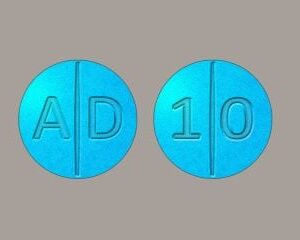
The appearance of a tablet may vary by manufacturer. Product identification should be confirmed through its labeled packaging and a pharmacist rather than appearance alone. Patients should not assume that immediate-release and extended-release products are interchangeable.
Medical Uses and Treatment Considerations
Adderall is used to treat ADHD, a condition that can affect attention, organization, impulse control, and everyday functioning. A healthcare professional determines whether medication is appropriate after considering symptoms, medical history, other treatments, and individual health risks.
Treatment plans may also include behavioral strategies, educational support, and practical approaches to managing daily responsibilities. Medication response varies between individuals, so regular follow-up helps the prescriber assess benefits, side effects, and whether the treatment plan remains suitable.
The 30mg strength is not appropriate for everyone and should not be considered a recommended starting dose. Patients should take only the dose and formulation specified on their prescription. Do not increase the amount, change the schedule, or use another person’s medication without medical direction.
How Adderall Works
Amphetamine-based stimulants influence the activity of certain chemical messengers in the brain, particularly dopamine and norepinephrine. These neurotransmitters participate in attention, alertness, motivation, and impulse regulation.
For people with ADHD, prescribed stimulant treatment may help improve attention and reduce some symptoms of impulsivity and hyperactivity. Individual results differ, and medication does not eliminate every symptom or replace a comprehensive treatment plan. A clinician should evaluate progress and any unwanted effects during follow-up appointments.
Possible Side Effects and Health Risks
Common side effects may include reduced appetite, difficulty sleeping, dry mouth, headache, nervousness, stomach discomfort, and increased heart rate. Some patients may experience weight changes or elevated blood pressure. Report persistent or troublesome symptoms to the prescribing healthcare professional.
More serious risks can include cardiovascular complications, psychiatric symptoms, and misuse, dependence, or addiction. The prescribing information carries a boxed warning about abuse, misuse, and addiction. Risk assessment and ongoing monitoring are important throughout treatment.
Seek urgent medical attention for chest pain, fainting, severe shortness of breath, seizures, or other signs of a serious reaction. Tell the prescriber about existing medical conditions and all medicines or supplements being taken. Certain drug combinations can increase the risk of adverse effects.
Safe Storage and Responsible Use
Adderall is a Schedule II controlled medication in the United States. Store it securely in its original container and out of reach of children and other people. Never share the medication, even with someone reporting similar symptoms.
Follow the pharmacist’s storage instructions and ask about approved disposal options for unused medication. Avoid taking more than prescribed or using the medicine for purposes other than those directed by the clinician. Keep scheduled appointments so the treatment plan can be reviewed as needed.
Conclusion
Adderall 30mg is an immediate-release prescription stimulant used primarily in ADHD treatment. Its effects, tolerability, and suitability depend on individual medical circumstances. Responsible use includes following the prescription, monitoring possible side effects, and maintaining communication with a qualified healthcare professional. This overview is for general educational purposes and does not replace professional medical advice or the official medication guide.



Reviews
There are no reviews yet.