
OxyContin OP 15mg: Extended-Release Oxycodone Information
OxyContin OP 15mg is an extended-release prescription tablet containing oxycodone hydrochloride, an opioid analgesic used to manage certain cases of severe, persistent pain. The medication is formulated to release its active ingredient over an extended period rather than all at once. Because oxycodone can cause serious adverse effects, treatment requires careful prescribing, monitoring, and adherence to the official medication instructions.
What Is OxyContin OP 15mg?
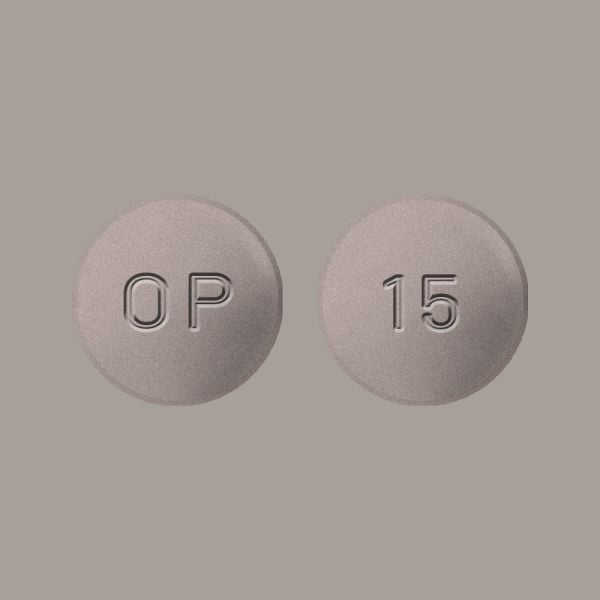
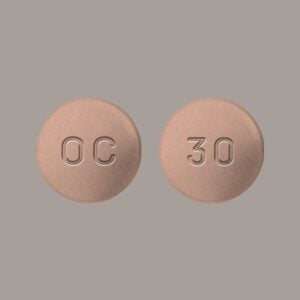
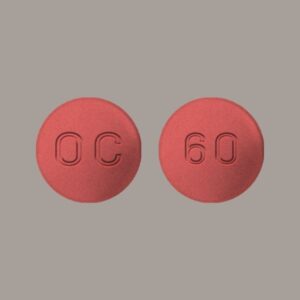
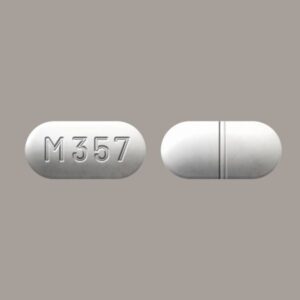
OxyContin is a brand-name formulation of extended-release oxycodone. The 15mg strength identifies the amount of oxycodone hydrochloride in each tablet. The “OP” imprint is associated with the reformulated tablet, which differs from the older OxyContin formulation marked “OC.” Current product labeling lists the 15mg tablet as round, gray, and film-coated. Tablet appearance alone should never be used as the only way to identify a medication; always check the pharmacy label and confirm any uncertainty with a pharmacist.
Intended Medical Use
Extended-release oxycodone may be prescribed for severe and persistent pain when continuous opioid treatment is appropriate and alternative treatment options are inadequate. It is not intended as a general-purpose remedy for mild pain or occasional discomfort. A clinician considers the patient’s medical history, current medicines, previous opioid exposure, and individual risks before deciding whether this treatment is suitable.
The prescribed dose and schedule must be determined by the treating healthcare professional. Patients should not increase a dose, change the dosing interval, or switch from another opioid without medical guidance. Opioid conversion is complex, and different products or formulations are not automatically interchangeable on a milligram-for-milligram basis.
Extended-Release Formulation and Proper Use
The extended-release design allows oxycodone to be released gradually over time. Tablets must be taken exactly as directed in the official prescribing information. Crushing, chewing, breaking, or dissolving an extended-release tablet can interfere with its release mechanism and may cause a potentially fatal overdose. Do not alter the tablet unless the product instructions and a healthcare professional explicitly allow it.
Alcohol and other medicines that slow the central nervous system—including benzodiazepines, sedatives, and certain sleep medications—can increase the risk of profound sedation and dangerous breathing problems. Tell the prescriber and pharmacist about all prescription medicines, over-the-counter products, and supplements being used.
Potential Side Effects and Serious Risks
Common adverse effects associated with oxycodone may include constipation, nausea, vomiting, dizziness, drowsiness, and headache. Some effects can affect balance, alertness, and the ability to drive or operate machinery safely.
More serious risks include slowed or difficult breathing, dangerously low blood pressure, physical dependence, opioid use disorder, and overdose. The risk may be higher when treatment begins, when a dose changes, or when oxycodone is combined with alcohol or sedating substances. Seek emergency help if someone is difficult to wake, has slow or shallow breathing, or has blue or gray lips. Administer naloxone if available and follow emergency instructions.
Storage and Medication Safety
Keep OxyContin in its original, securely closed packaging and store it safely away from children, visitors, and anyone for whom it was not prescribed. Never share opioid medication. Follow the pharmacist’s storage directions and use an authorized medication take-back program or local disposal guidance for unused tablets. Do not keep leftover opioids for possible future use without professional advice.
Conclusion
OxyContin OP 15mg is an extended-release oxycodone prescription product intended for carefully selected patients who need ongoing treatment for severe pain. Its extended-release formulation, controlled-substance status, and potential for serious harm make professional oversight essential. Patients should follow the prescription and official medication guide, avoid unsafe combinations, and promptly discuss side effects or concerns with their healthcare team. This information is educational and does not replace individualized medical advice.
Reviews
There are no reviews yet.